Table of Contents
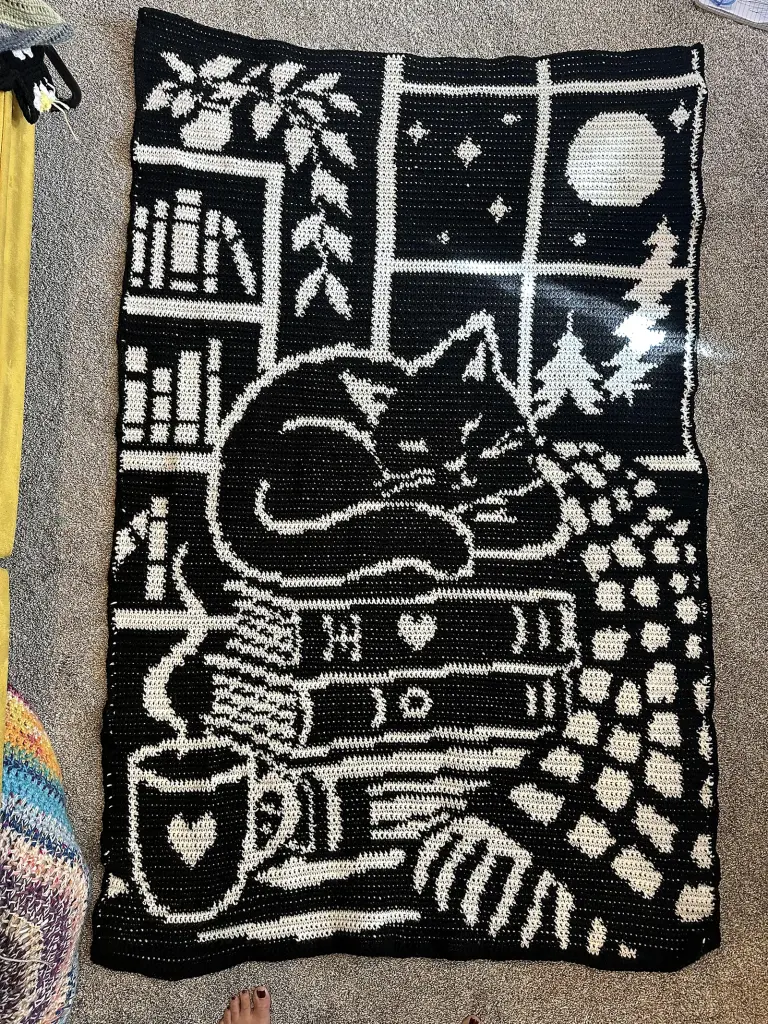
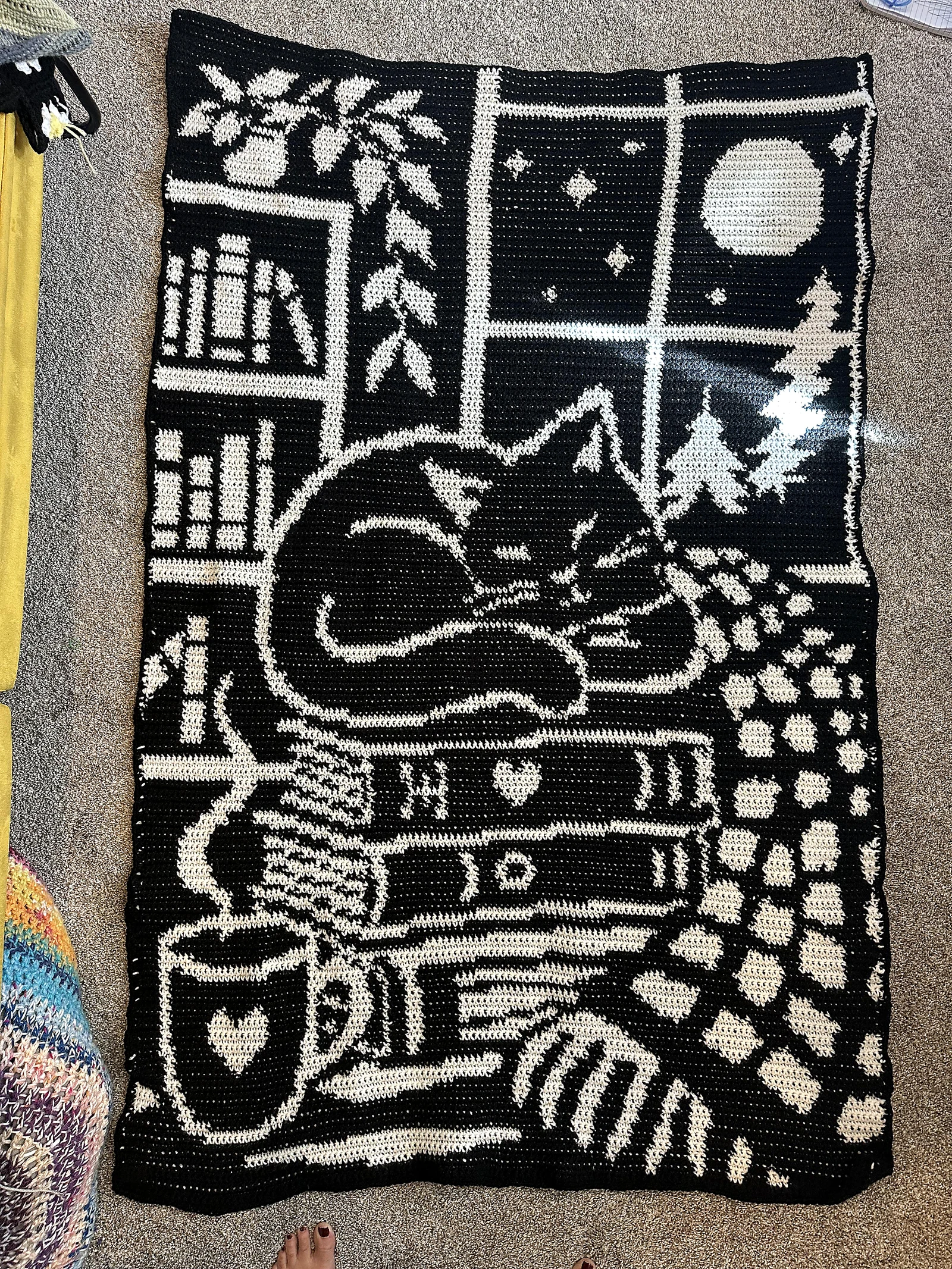
Have you ever looked at a pixel art image and thought, "I want to crochet that"? Tapestry crochet makes it possible. This technique uses single crochet stitches in different colors to create a dense, graphic fabric where the design appears on both sides—no floats, no messy back. It's perfect for pixel patterns, geometric motifs, and even simple portraits.
In this tutorial, I'll walk you through making your first tapestry crochet square from a pixel pattern. We'll cover how to chart your design, carry yarn across the row, keep your tension even, and finish with clean edges. By the end, you'll have a solid foundation to tackle any pixel art project you can imagine.
What Is Tapestry Crochet?
Tapestry crochet is a colorwork technique where you work with two or more colors in a single row, carrying the unused yarn inside the stitches. Unlike Fair Isle or intarsia, the carried yarn is hidden within the fabric, creating a double-sided design with no floats on the back. The result is a sturdy, dense fabric that's ideal for bags, coasters, wall hangings, and even garments.
The key is single crochet (sc) worked in the back loop or both loops, depending on the look you want. Most tapestry crochet uses single crochet because it creates a tight, grid-like fabric that mimics pixels perfectly.
Project Overview: A Simple Pixel Art Square
For this tutorial, we'll make a small square with a simple pixel heart design. It's a great first project because it uses only two colors and a small chart. Once you understand the mechanics, you can swap in any pixel image—a favorite character, a logo, or a geometric pattern.
Finished size: Approximately 6 x 6 inches (15 x 15 cm) with worsted weight yarn and a 4.0 mm hook. Gauge is not critical for a coaster or wall hanging, but consistent tension is important for clean color changes.
Materials You'll Need
- Yarn: Worsted weight (Medium 4) cotton or acrylic in two contrasting colors. Cotton gives crisp stitch definition; acrylic is softer and more forgiving. You'll need about 50 yards of each color.
- Hook: 4.0 mm (US G-6) or size needed to achieve a dense fabric. You want the stitches tight enough that the carried yarn doesn't peek through.
- Tapestry needle for weaving in ends.
- Scissors and a stitch marker (optional).
- Pixel chart: Graph paper or a digital tool like Stitch Fiddle. Each square on the chart equals one single crochet stitch.
Pro-Tip: Use a hook one size smaller than you normally would for the yarn weight. Tighter stitches hide the carried yarn and make the color changes pop.
Stitch Abbreviations & Tension Tips
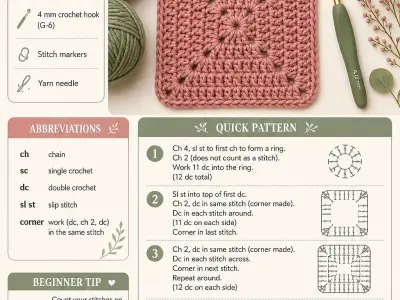
- ch = chain
- sc = single crochet
- st = stitch
- sl st = slip stitch
Tension is everything in tapestry crochet. If your stitches are too loose, the carried yarn will show through; too tight, and your square will pucker. Aim for a fabric that feels firm but not stiff. Practice a small swatch with two colors before starting your project.
How to Read a Tapestry Crochet Chart
Each square on the chart represents one single crochet stitch. The bottom row of the chart is your foundation row. Read right-side rows from right to left, and wrong-side rows from left to right. Colors are indicated by symbols or filled squares. For our heart design, we'll use a 15-stitch wide chart with 15 rows.
If you're designing your own pixel pattern, keep it simple for your first try: high contrast, no more than three colors, and a design that fits within a 20×20 grid.
Step-by-Step Tutorial: Pixel Heart Square
Note: The first stitch of each row is a chain 1 (does not count as a stitch). The last stitch is worked into the turning chain space. Always change colors in the last yarn pull of the previous stitch.
Foundation Row
With Color A (background), ch 16. Sc in the second ch from hook and in each ch across. (15 sc) Turn.
Row 1 (Right Side)
Ch 1, sc in each st across, changing to Color B (heart) at the appropriate stitch according to the chart. For our heart, the first row has 5 stitches of Color A, 5 stitches of Color B, and 5 stitches of Color A. Carry Color A across the back as you work the B stitches. Turn.
Row 2 (Wrong Side)
Ch 1, sc in each st across, following the chart from left to right. Remember to carry the unused color loosely across the back. Turn.
Rows 3–15
Continue following the chart, changing colors as indicated. Each row increases the heart shape, then decreases. Keep your carried yarn relaxed—if it's too tight, the square will pull in; too loose, and it will loop on the back.
Pro-Tip: Every few stitches, stretch your work gently to check that the carried yarn isn't too tight. If it feels stiff, loosen your tension slightly.
Finishing
After the last row, fasten off Color B, then fasten off Color A. Weave in all ends on the wrong side. Block your square by misting it with water and pinning it to a foam mat to dry. This evens out the stitches and makes the edges crisp.
Troubleshooting Common Tapestry Crochet Problems
Carried Yarn Peeking Through
If the unused color shows between stitches, your tension is too loose or your hook is too large. Try going down a hook size and working a bit tighter. Also, make sure you're carrying the yarn consistently—not too high or low in the stitch.
Puckered Fabric
Puckering usually means the carried yarn is too tight. Loosen your tension on the carried strand, and avoid pulling it snug after each color change. Blocking can also help relax the fabric.
Uneven Edges
Uneven edges often come from inconsistent turning chains or missing the last stitch. Count your stitches at the end of each row to stay on track. Using a stitch marker in the first and last stitch can help.
Color Changes Look Messy
Always change colors in the last yarn pull of the stitch before the new color is needed. This creates a clean transition. Practice on a swatch until it feels natural.
Blocking and Care
Blocking is essential for tapestry crochet—it smooths out the stitches and defines the pixel pattern. For cotton, mist with water and pin to shape; for acrylic, use a steamer or mist lightly and pin. Let dry completely. When washing, hand wash in cool water with mild soap and lay flat to dry. Avoid wringing or hanging, which can distort the shape.
Frequently Asked Questions
Can I use more than two colors in a row?
Yes, but it gets bulky. For your first project, stick to two colors. As you gain experience, you can carry multiple colors, but keep the unused strands loose and untwisted.
Do I need a special hook for tapestry crochet?
No, any hook works. However, a hook with a smooth throat and a comfortable handle helps with the repetitive motion. Some crocheters prefer inline hooks for consistent stitch size.
How do I design my own pixel pattern?
Start with graph paper or a free online tool like Stitch Fiddle. Keep your design simple and high-contrast. Remember that each square equals one stitch, so a 20×20 design will be 20 stitches wide and 20 rows tall.
Can I make a larger project like a blanket?
Absolutely. Tapestry crochet is great for blankets, but carrying yarn across many stitches can be heavy. For large projects, consider using bobbins or intarsia techniques to manage yarn. Start small and work your way up.
With these steps, you're ready to turn any pixel image into a beautiful crocheted square. Grab your hook and yarn, and let your pixel art come to life—one stitch at a time.
Pixel Heart Tapestry Crochet Square
A beginner-friendly tapestry crochet square featuring a pixel heart design. Learn to carry yarn and create clean color changes.
📦 Materials & Supplies
- ✓Worsted weight cotton yarn in two colors (approx. 50 yards each)
- ✓4.0 mm (US G-6) crochet hook
- ✓Tapestry needle
- ✓Scissors
- ✓Stitch marker (optional)
- ✓Pixel chart (15×15 grid)
📋 Step-by-Step Instructions
-
1Foundation: With Color A, ch 16. Sc in second ch from hook and in each ch across. (15 sc) Turn.
-
2Row 1: Ch 1, sc in each st across, changing to Color B according to chart. Carry Color A across back. Turn.
-
3Row 2: Ch 1, sc in each st across, following chart from left to right. Carry unused color loosely. Turn.
-
4Rows 3-15: Continue following chart, changing colors as indicated. Keep carried yarn relaxed.
-
5Finishing: Fasten off both colors. Weave in ends. Block square to shape.