Table of Contents
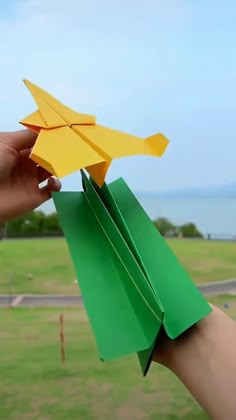
Do you want to make handmade together with your little ones? There is something deeply satisfying about sitting down with paper, scissors, and a bit of glue to create toys that bring laughter and surprise. Today we are exploring the joyful world of handmade paper toys for kids, with a special focus on paper darts. These simple flying toys are easy to fold, safe to play indoors, and provide hours of fun without screens or batteries. Whether you are looking for a rainy afternoon project or a way to spark creative thinking, this is the perfect starting point.
Why Handmade Paper Toys Are So Rewarding
When you make a toy by hand, you are doing much more than creating a plaything. You are sharing your time, teaching patience, and showing that fun does not have to come from a store shelf. Handmade paper toys for kids encourage fine motor skills, following instructions, and a sense of accomplishment when the final dart sails across the room.
Paper darts, in particular, are a classic for a reason. They are quick to make, use common household materials, and can be designed in countless colorful patterns. Plus, children love the thrill of seeing their own creation fly. It turns a simple piece of paper into a source of pride and play.
Materials You Will Need for Paper Dart Toys
One of the best things about this craft is how little you need. You probably already have everything at home. Here is a simple list to get started:
- Colored paper or printer paper (standard A4 or letter size works well)
- Scissors (child-safe if kids are cutting)
- Ruler (for crisp folds, though not essential)
- Markers, crayons, or stickers for decoration
- Optional: tape or glue for reinforced tips
Let your children choose their favorite colors and patterns. Bright neon paper, old wrapping paper, or even pages from a magazine can be recycled into fantastic darts. The more personal, the better.
Easy Step by Step Guide to Making a Basic Paper Dart
This design is safe, simple, and flies surprisingly well. You can adjust the size by cutting your paper smaller. Follow these steps to create your first dart together:
- Fold the paper in half lengthwise and then unfold it, leaving a crease down the center.
- Fold the top two corners inward so they meet the center crease, forming a triangle point at the top.
- Fold the triangle you just made downward so the tip touches the bottom edge of the paper.
- Fold the top corners inward again to the center crease. A small triangle tip should remain at the bottom.
- Fold the small triangle tip upward over the two flaps to lock them in place.
- Fold the entire shape in half along the original center crease, with the folds on the outside.
- Fold each side downward to create the wings. Make the wings about an inch wide for a good flight ratio.
- Decorate your dart with drawings, stickers, or washi tape before or after folding.
Once complete, hold the dart by the bottom center and give it a gentle toss. Adjust the wing angles slightly if it nosedives or stalls. Experimentation is part of the fun.
Creative Variations to Try Together
The basic dart is just the beginning. Once you and your child master the simple version, you can explore other shapes and play styles. Here are a few ideas to keep the handmade fun going:
Glider Darts for Softer Indoor Flight
Use lighter paper, such as tissue paper or thin origami paper, and make the wings wider. These gliders float gently and are safer for younger children. They are also quieter, which helps when playing near naptime.
Speedy Darts with Reinforced Tips
For a dart that flies farther, add a small piece of tape over the nose. You can also fold the nose a second time for extra weight. This works well with thicker cardstock or construction paper.
Target Practice Games
Tape a paper plate to the wall or set up a cardboard box with cutout holes. Assign point values to different openings. Then take turns throwing your handmade darts. This adds a fun scoring element and keeps children engaged for longer periods.
- Use different colors for each player’s darts to avoid mix-ups.
- Mark starting lines at different distances for different difficulty levels.
- Younger children can stand closer; older kids can step further back.
Tips for a Smooth Handmade Craft Session
Making handmade paper toys for kids should feel relaxed and joyful, not stressful. Keep these simple tips in mind to make the experience better for everyone:
- Prepare your workspace. Cover the table with newspaper or a plastic cloth. Have a bin nearby for paper scraps.
- Let children make mistakes. A crooked fold is okay. It is part of learning and gives each dart its own character.
- Work step by step. Do one fold together before moving to the next. This keeps frustration low and excitement high.
- Celebrate every dart. Even if it does not fly perfectly, praise the effort and the creativity. You can always adjust and try again.
- Store darts safely. Keep finished paper darts in a shallow box or envelope so they do not get crushed. This also makes cleanup quick.
Why Paper Darts Are a Perfect Handmade Toy
In a world full of flashing screens and plastic gadgets, a simple paper dart stands out. It costs nearly nothing, it is fully customizable, and it encourages active play. Children learn about aerodynamics through trial and error, and they gain confidence as they improve their folding skills. Most importantly, it creates a shared memory of making something together with your own hands.
Handmade paper toys for kids also teach resourcefulness. When a dart eventually wears out, you can simply fold a new one. The possibilities are endless, and the only limit is your imagination. Whether you are visiting a friend’s home, traveling, or just enjoying a quiet afternoon, this craft is always ready.
Frequently Asked Questions
What age is best for making paper darts?
Children aged 4 and up can enjoy this activity with adult help. Younger kids can decorate pre-folded darts, while children aged 6 and older can usually follow the folding steps with guidance. Always supervise scissors use.
Can I use recycled paper for these toys?
Absolutely. Old notebooks, junk mail, or even grocery bags work well. The texture may affect flight slightly, but that is part of the fun of experimenting. It is also a great way to teach kids about reusing materials.
How do I make a dart fly farther?
Ensure your folds are sharp and symmetrical. Add a small piece of tape or a paper clip to the nose for weight. Adjust the wings so they are slightly angled upward at the tips. Practice with gentle, consistent throws rather than force.
Making handmade paper toys for kids like these colorful paper darts is a wonderful way to spend quality time together. Start with a few sheets of paper, let your creativity flow, and watch your children light up as their creations take flight. The next time you hear “Do you want to make handmade together,” you will already have a fantastic project ready to go. Enjoy crafting and playing!