Table of Contents
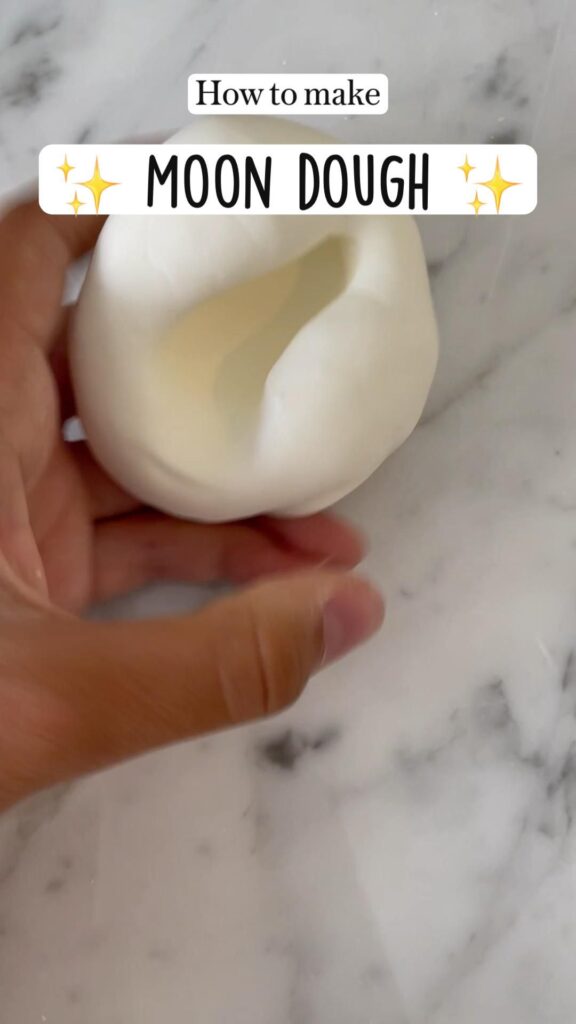
Creating your own tactile playthings can be incredibly satisfying, and few homemade crafts offer the unique sensory appeal of moon dough. This incredibly soft, moldable substance provides endless opportunities for creative exploration, stress relief, and hands-on fun for all ages. Whether you’re looking for an engaging activity for children or a soothing texture to knead and shape yourself, learning to make moon dough is surprisingly simple and requires only two common household ingredients.
Forget complicated recipes or expensive store-bought kits. With just a few minutes and a couple of items you likely already have, you can whip up a batch of this delightful dough. The resulting material boasts a smooth, slightly crumbly yet cohesive texture that feels wonderfully unique between your fingers – reminiscent of lunar dust, hence its name. Let’s dive into how you can easily make moon dough and enjoy its calming, stimulating properties.
Understanding What Makes Moon Dough Unique
Moon dough stands apart from traditional playdough or slime due to its distinct texture. It’s often described as a cross between kinetic sand and a super soft clay. When you squeeze it, it holds its shape, but with a gentle touch, it crumbles back into a fine powder. This fascinating characteristic makes it incredibly engaging for sensory play, encouraging exploration of different pressures and movements.
Its unique composition allows it to be molded into intricate shapes with ease, yet it can also be broken apart effortlessly, offering a satisfying tactile experience. Unlike some other sensory materials, moon dough isn’t sticky or messy, making cleanup relatively simple. It’s also incredibly soothing to manipulate, providing a calming effect that can help reduce stress and improve focus for both children and adults.
Beyond its sensory benefits, playing with moon dough can also contribute to the development of fine motor skills, hand-eye coordination, and imaginative thinking. Children can use it to build structures, create figures, or simply enjoy the feeling of squishing and molding it. For adults, it serves as an excellent fidget toy, helping to channel nervous energy or provide a meditative outlet.
The Essential Ingredients for Your Homemade Moon Dough
The magic of moon dough lies in its surprisingly simple ingredient list. You only need two items to transform ordinary household staples into this extraordinary sensory material. The interaction between these two components creates the dough’s signature texture and pliability. Here’s what you’ll need:
- Corn Starch: This fine, powdery substance forms the bulk of your moon dough. It provides the characteristic crumbly yet moldable texture. When combined with a liquid, corn starch has unique properties, becoming a non-Newtonian fluid in certain mixtures, though here it contributes to a more solid, pliable consistency.
- Hair Conditioner: Any standard hair conditioner will work. This ingredient serves several purposes. Firstly, it acts as the binding agent, bringing the corn starch together into a cohesive dough. Secondly, it adds a wonderful softness and pliability. Finally, the conditioner imparts a pleasant scent, making the play experience even more enjoyable. The type of conditioner can subtly affect the final texture and scent, so feel free to experiment with different varieties you have on hand.
The beauty of this recipe is its accessibility. You likely have both of these ingredients in your kitchen and bathroom already, making it an ideal impromptu activity. Plus, the quick preparation time of about 10 minutes means instant gratification!
Step-by-Step Guide to Make Moon Dough
Making moon dough is a straightforward process that requires minimal effort. This recipe yields a small “serving” perfect for one person to play with, but you can easily scale up the quantities if you wish to make a larger batch.
What You’ll Need:
- 1/4 cup hair conditioner
- 3/4 cup corn starch
- A medium-sized mixing bowl
- A spoon or spatula for mixing
- Your hands!
Instructions:
- Measure Your Ingredients: Begin by carefully measuring 3/4 cup of corn starch and pouring it into your mixing bowl. Accuracy with these measurements is important for achieving the right consistency.
- Add the Conditioner: Next, add 1/4 cup of hair conditioner to the corn starch in the bowl.
- Initial Mixing: Use your spoon or spatula to start mixing the corn starch and conditioner together. At first, it might look crumbly and difficult to combine. Keep stirring, trying to incorporate the conditioner into the dry corn starch.
- Knead by Hand: Once the mixture becomes too thick to stir effectively with a spoon, it’s time to get your hands in there! Turn the mixture out onto a clean, flat surface (like a countertop or a large plate) or continue kneading directly in the bowl.
- Work the Dough: Begin to knead the mixture much like you would bread dough. Press, fold, and roll the dough with your hands. This step is crucial for fully incorporating the ingredients and developing the moon dough’s signature smooth, cohesive texture.
- Adjust Consistency (if needed): As you knead, pay attention to the dough’s feel.
- If it feels too dry and crumbly and isn’t coming together, add a tiny amount (about a teaspoon) of conditioner. Knead it in thoroughly before adding more.
- If it feels too sticky, add a small amount (about a tablespoon) of corn starch. Again, knead it in completely before making further adjustments.
The goal is a dough that is soft, pliable, and holds its shape without sticking to your hands.
- Enjoy! Once your moon dough reaches the desired consistency, it’s ready for play!
Tips for Customizing and Enhancing Your Moon Dough
While the basic moon dough recipe is fantastic on its own, there are