
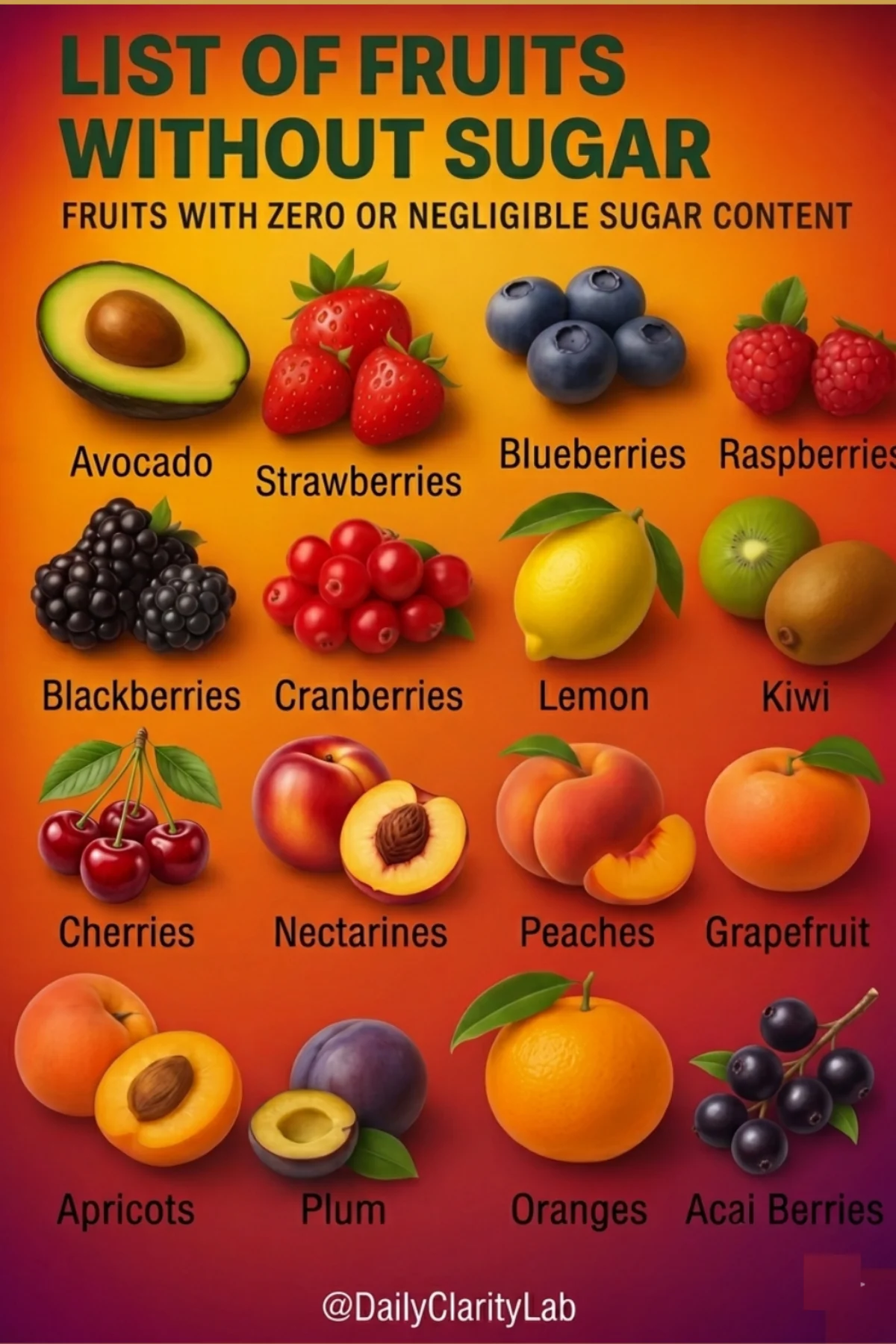
Managing diabetes often requires careful attention to dietary choices. While many fruits offer essential vitamins and minerals, some can cause significant spikes in blood glucose levels. Fortunately, a variety of fruits are relatively low in sugar and can be enjoyed as part of a balanced diabetic diet. Understanding these options and incorporating them thoughtfully can help individuals with diabetes maintain stable blood sugar levels and overall health.
Understanding the Importance of Low-Sugar Fruits
For individuals managing diabetes, controlling blood glucose is paramount. Consuming fruits with a low glycemic index (GI) is crucial, as they release glucose into the bloodstream more slowly than fruits with a higher GI. This slower release helps prevent rapid spikes and crashes, promoting more stable energy levels and better glycemic control.
Key Low-Sugar Fruit Choices
Here’s a detailed look at some of the best low-sugar fruit choices for people with diabetes, along with their benefits and considerations:
- Berries: Strawberries, blueberries, raspberries, blackberries, and cranberries are excellent options. They are naturally lower in sugar and packed with antioxidants and fiber. Berries are known for their ability to support heart health and reduce inflammation.
- Citrus Fruits: Grapefruit, oranges, lemons, limes, and tangerines are good sources of Vitamin C and fiber, contributing to immune function and digestive health. Be mindful of portion sizes, particularly with grapefruit, due to its potential interactions with certain medications.
- Apples & Pears: These fruits offer a good balance of sweetness, fiber, and nutrients. The fiber content helps slow down glucose absorption. Eating the skin provides additional fiber and nutrients.
- Cherries: Cherries are rich in antioxidants, particularly anthocyanins, which have anti-inflammatory properties. They can be enjoyed in moderation.
- Avocado: While often categorized as a vegetable, avocado is technically a single-seeded berry. It’s low in sugar, high in healthy fats, and provides fiber. Avocados can contribute to feelings of fullness, aiding in weight management.
- Peaches & Nectarines: These stone fruits are relatively low in sugar compared to other fruits. Enjoy them in moderation as part of a balanced diet.
Glycemic Index (GI) and Portion Control
The glycemic index (GI) is a ranking system for carbohydrate-containing foods based on how quickly they raise blood glucose levels. Fruits generally have a lower GI than many other carbohydrate sources. However, even low-GI fruits can impact blood sugar if consumed in large quantities. Therefore, mindful portion control is essential.
Practical Tips for Incorporating Low-Sugar Fruits
Here are some practical ways to enjoy low-sugar fruits as part of a diabetic-friendly diet:
- Pair with Protein & Healthy Fats: Combining fruits with a source of protein (such as yogurt or nuts) or healthy fats (such as avocado or seeds) helps slow down the absorption of sugar.
- Add to Salads: Fruits can add sweetness and texture to savory salads.
- Snack Wisely: Choose a small handful of berries or a slice of apple for a healthy snack.
- Smoothie Booster: Add berries or a small amount of apple to smoothies.
- Cooked Dishes: Fruits such as apples and pears can be incorporated into baked goods or desserts, but watch added sugars.
Important Considerations
While low-sugar fruits can be part of a diabetic diet, it’s crucial to consult with a healthcare professional or registered dietitian. They can help develop a personalized meal plan based on individual needs, blood glucose levels, and overall health conditions. Regular monitoring of blood glucose levels is also essential to understand how different foods affect your body.
Frequently Asked Questions
What does “low sugar” mean when it comes to fruit?
When we talk about “low sugar” fruit, we mean that the amount of naturally occurring sugar in the fruit is relatively low compared to other carbohydrate sources. This helps prevent rapid spikes in blood glucose levels after eating. It’s not about eliminating fruit entirely, but choosing options that are less likely to significantly impact blood sugar.
Are there any fruits I should avoid completely?
While all fruits can be enjoyed in moderation, fruits with a higher glycemic index, like grapes, mangoes, and pineapple, should be consumed sparingly. These fruits can cause a more significant rise in blood sugar levels. It is best to discuss specific fruit choices with your doctor or a registered dietitian.
Can I eat fruit if I have diabetes?
Absolutely! Fruit can be a healthy part of a diabetic diet. The key is to choose lower-sugar options like berries, citrus fruits, and apples/pears, and to practice portion control. Focus on incorporating fruit alongside protein and healthy fats to slow down sugar absorption.
How do I know if a fruit is low sugar?
You can find the glycemic index (GI) of different fruits online. Generally, fruits like berries, citrus, and apples have a lower GI. Pay attention to serving sizes – even low-GI fruits can raise blood sugar if consumed in large quantities. Consulting with a dietitian is a great way to understand what’s right for your individual needs.
By making informed choices and practicing mindful eating, individuals with diabetes can enjoy the nutritional benefits of fruit while managing their blood glucose levels effectively. Remember that a balanced diet and regular exercise are key components of diabetes management.