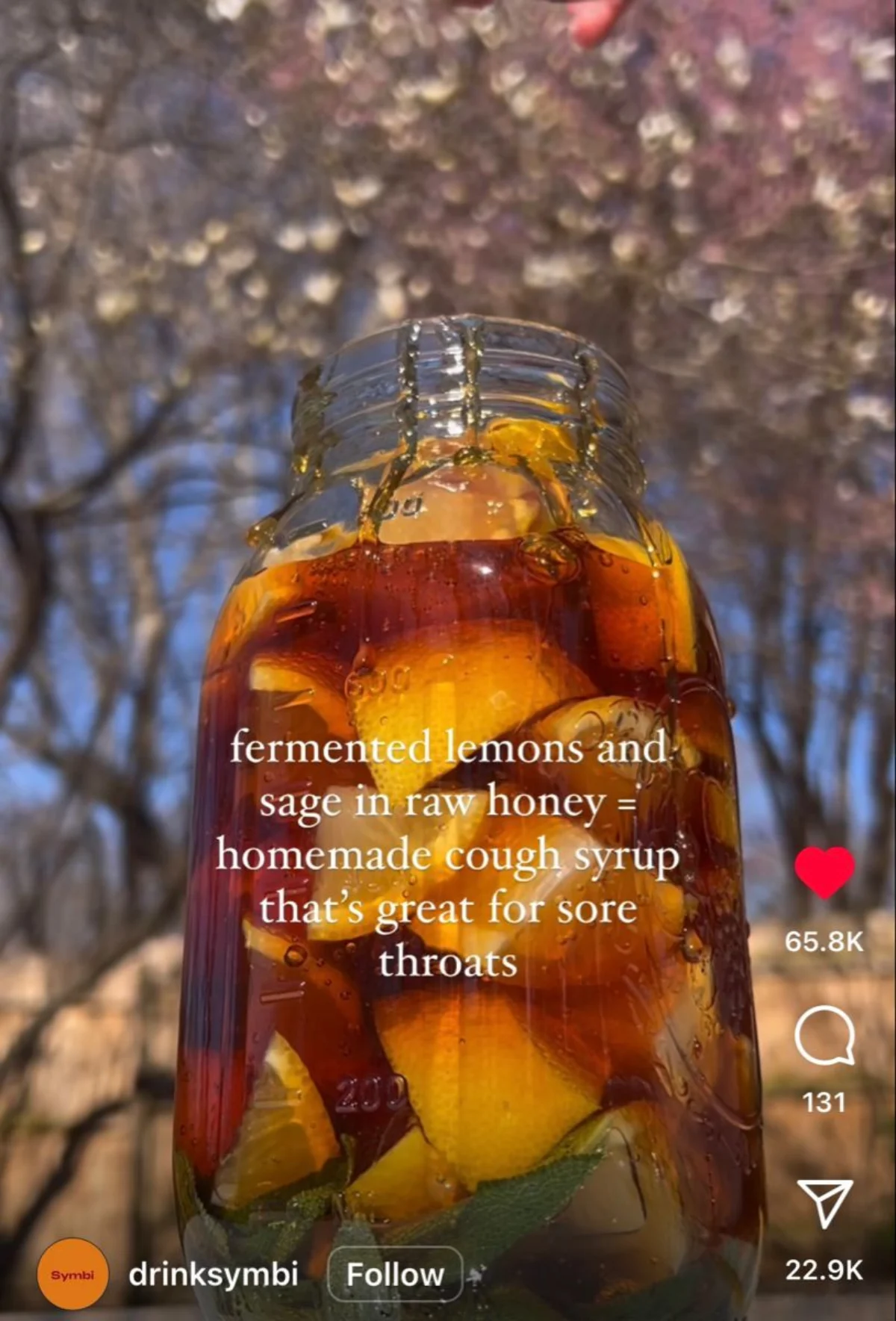
There is something deeply comforting about a jar of sliced lemons and softly wilting sage leaves suspended in golden honey on your kitchen counter. That single jar holds fruit, herb, and the quiet transformation that fermentation gently brings. More than a project, it feels like a small seasonal ritual. I keep coming back to the idea of fermented lemons, sage, and honey because it sits right at the intersection of old kitchen wisdom and modern wellness curiosity. You do not need perfect technique to make something lovely that supports you when the air turns crisp and throats feel scratchy. What you need is a handful of simple materials, a little patience, and a willingness to let nature do the quiet work.
Why This Combination Keeps Drawing People In
Whole lemons, aromatic sage, and raw honey each bring their own personality to the jar. Together they create something that feels greater than the sum of its parts. Lemon offers bright acidity and gentle bitterness, especially when you include thin slices of the peel. Sage contributes an earthy, slightly camphor-like note that immediately evokes herb gardens and cool mornings. Raw honey wraps both in a velvety sweetness that also happens to draw moisture out of the fruit and herbs. As the mixture sits, the honey thins into a pourable syrup that carries all three flavors in every spoonful. People reach for this combination not because it is a cure-all, but because it feels intentional in a world of quick fixes.
What Makes the Look Work
A jar of fermented lemons and sage in honey is genuinely beautiful. The visual appeal is part of the experience, and it is worth thinking about how the layers and colors interact before you even lift a spoon. The contrast between translucent lemon rounds, silvery green sage leaves, and the amber depth of honey creates a preserved garden feel in a glass container. When you hold the jar up to light, the honey glows and the lemon pith becomes almost luminous. Small bubbles may appear against the glass as fermentation begins, a quiet signal that the good microbes are busy. That gentle activity is something you can see and appreciate, and it reminds you that real food is alive.
- Slice lemons thinly and evenly, keeping the rind intact for visual structure and gentle bitterness.
- Tuck whole sage leaves between the layers so their soft green shows against the yellow fruit and golden liquid.
- Choose a clear glass jar with a wide mouth, which makes layering easier and turns the jar into a countertop display.
- Fill the jar loosely to leave room for the honey to circulate and the fruit to release its juice naturally.
- Keep the jar in a spot where you will see it daily and remember to use it.
Key Sensory Elements to Notice
This project is a slow sensory experience, and paying attention to the small changes makes it feel personal rather than clinical. In the first day, the honey is thick and the lemon slices float individually. By day three or four, the liquid has visibly loosened and the citrus oils have started to mellow. The scent shifts too, from distinct lemon and sage to something warmer and more integrated. When you open the jar, the aroma is mildly tangy and herbal, not overpowering. Those quiet transformations are part of why people feel connected to this kind of kitchen remedy. It reminds you that time is an ingredient too.
Texture
The softened lemon rind becomes almost candied after several days, offering a chewy texture that contrasts nicely with the now-flowing honey. If you spoon out a slice and chop it finely, it melts into warm water or tea with only a slight nudge. The sage leaves stay mostly intact but become supple and easy to break apart. That gentle breakdown happens because honey and the liquid released from the lemons create an environment where fibers slowly relax. It feels different from steeping dried herbs, more like preserving the garden fresh.
Aroma
Early on, the sage dominates with its sharp herbal punch. Over time, lemon oils from the peel infuse the honey and round out the scent. You might notice a faint fermented tang, similar to the bright smell of a well-fed sourdough starter or a lemon rind fermenting in salt. It should smell clean, citrusy, and deeply herbal without any harsh alcohol notes. If the aroma ever turns unpleasantly yeasty or off, trust your senses and start a fresh batch.
Ways to Adapt the Idea
Part of the fun is making this concept suit your own kitchen, garden, and taste. The template stays the same, but the details can shift with the seasons or what you have growing in a pot on the windowsill. Some people like a spicier, warmer version for winter, while others lean into floral notes for spring. The core of fermented lemons, sage, and honey is forgiving, and small swaps let you play without losing the comforting feel of the original. If you do not grow sage, do not let that stop you. Many gentle herbs work well, and each brings a slightly different character to the final syrup.
- Swap sage for lemon balm or bee balm if you want a brighter, more citrus-forward herbal note.
- Use rosemary sprigs in place of sage for a woodsy version that feels especially warming in cold months.
- Add thin slices of fresh ginger root between the lemon layers for a gentle heat that complements the herb and honey.
- Try a mix of lemon and orange slices when citrus is abundant, keeping the sage as an anchoring flavor.
- Stir in a few whole cloves or a small cinnamon stick during the colder season for a spiced variation.
Gentle Planning and Styling Tips
Before you start layering your jar, think about how you will use the finished syrup and how you want the process to feel. If you are giving jars as small gifts, choose a honey with a lighter color, as it will let the lemon and sage layers show through beautifully. For your own kitchen, a darker wildflower or buckwheat honey adds a richer, almost molasses-like depth, though the visual contrast is less striking. Set aside twenty unhurried minutes, wash your lemons well, and dry the sage gently so the leaves are not bruised. This is a slow activity, and it feels best when you are not rushing.
Storage is simple but worth planning. Keep the jar in a cool spot away from direct sunlight, and stir or gently tilt the jar every day or two to keep the lemon slices coated in honey. If the ambient temperature is very warm, you may notice faster fermentation which can make the honey more liquid and slightly effervescent. That is normal and expected. Use a clean, dry spoon every time you dip into the jar to keep unwanted moisture and bacteria from sneaking in. A small ceramic or wooden spoon left beside the jar becomes part of the ritual.
When a hot drink feels right
Spoon the strained or spoonable syrup into a mug of warm water or mild herbal tea. The heat releases the volatile oils in the sage and lemon, and the steam carries that comforting scent straight to you. Avoid boiling water poured directly onto the raw honey mixture if you want to keep the beneficial enzymes intact, though the flavor works either way. A gentle warm temperature is enough to make the drink feel soothing.
Serving as a spoonful
Sometimes the simplest approach is best. A spoonful of the honey with a small piece of softened lemon rind taken slowly coats the throat in a way that feels immediately comforting. This works beautifully for dry scratchiness, especially when you let the honey linger in your mouth. You can eat the sage leaves or remove them depending on your texture preference. The leaves become quite soft and edible, but some people like to strain them out for a clearer syrup.
FAQ
Is fermented lemon sage honey safe to keep at room temperature?
Yes, when made with raw honey and clean, dry ingredients, this type of honey fermentation is typically safe at cool room temperature for several weeks. The low water activity of honey and the natural acidity from the lemons create an environment that resists spoilage organisms. Watch for signs of mold on exposed lemon pieces, visible fuzz, or an unpleasant, sour-alcohol smell. If you ever feel unsure, refrigerate the jar to slow the process and use it within a month or two. Always use a clean utensil when dipping in, as introducing moisture or food particles can compromise the jar.
How does honey ferment lemons without added yeast or a starter?
Raw honey naturally contains wild yeasts and beneficial bacteria, and fresh lemons bring their own surface microorganisms. When you combine the two, the honey pulls water out of the lemon slices through osmosis, thinning the liquid and awakening those dormant microbes. Gentle fermentation begins as the yeasts and bacteria slowly convert sugars into trace amounts of acids, carbon dioxide, and flavor compounds. The process is mild and does not create significant alcohol. It is similar to the way honey ferments garlic or other juicy fruits, relying on what is already present rather than an external starter.
What type of honey works best for this project?
Raw, unheated honey gives you the most active wild yeasts for fermentation and the fullest floral flavor. Local wildflower honey is a wonderful choice if you can find it. Creamed honey or honey that has been heavily filtered and pasteurized will still taste lovely but ferments less actively. Manuka honey works, though its strong medicinal notes can overpower the delicate sage. Choose a honey you enjoy eating on its own, because its flavor will carry through the final syrup.
Can I use dried sage instead of fresh leaves?
Fresh sage provides the moisture, gentle texture, and visual appeal that make this jar feel alive and garden-fresh, but dried sage will work in a pinch. If using dried leaves, use about one-third the amount you would use fresh, as the dried herb concentrates in flavor. The liquid will still thin out from the lemon juice alone, though you may miss some of the soft herbal infusion that fresh leaves release slowly. Keep an eye on the consistency, and know that dried sage bits will float and may need to be strained out if you want a clear syrup.
A quiet jar with a gentle purpose
I think what draws me back to this fermented lemons sage honey idea is how undemanding it is. It does not require boiling pots, complicated gear, or a perfectly timed schedule. It sits on the counter and slowly, quietly transforms into something useful and beautiful. On days when you feel run-down or just want a mindful moment, that jar offers a gentle anchor. The ritual of spooning out a little honey, inhaling the herbal steam, and tasting something you helped make with fresh, whole ingredients is genuinely comforting. Whether you are new to herbal kitchen projects or have been making infused honeys for years, this combination feels like a small, bright spot worth keeping close by.