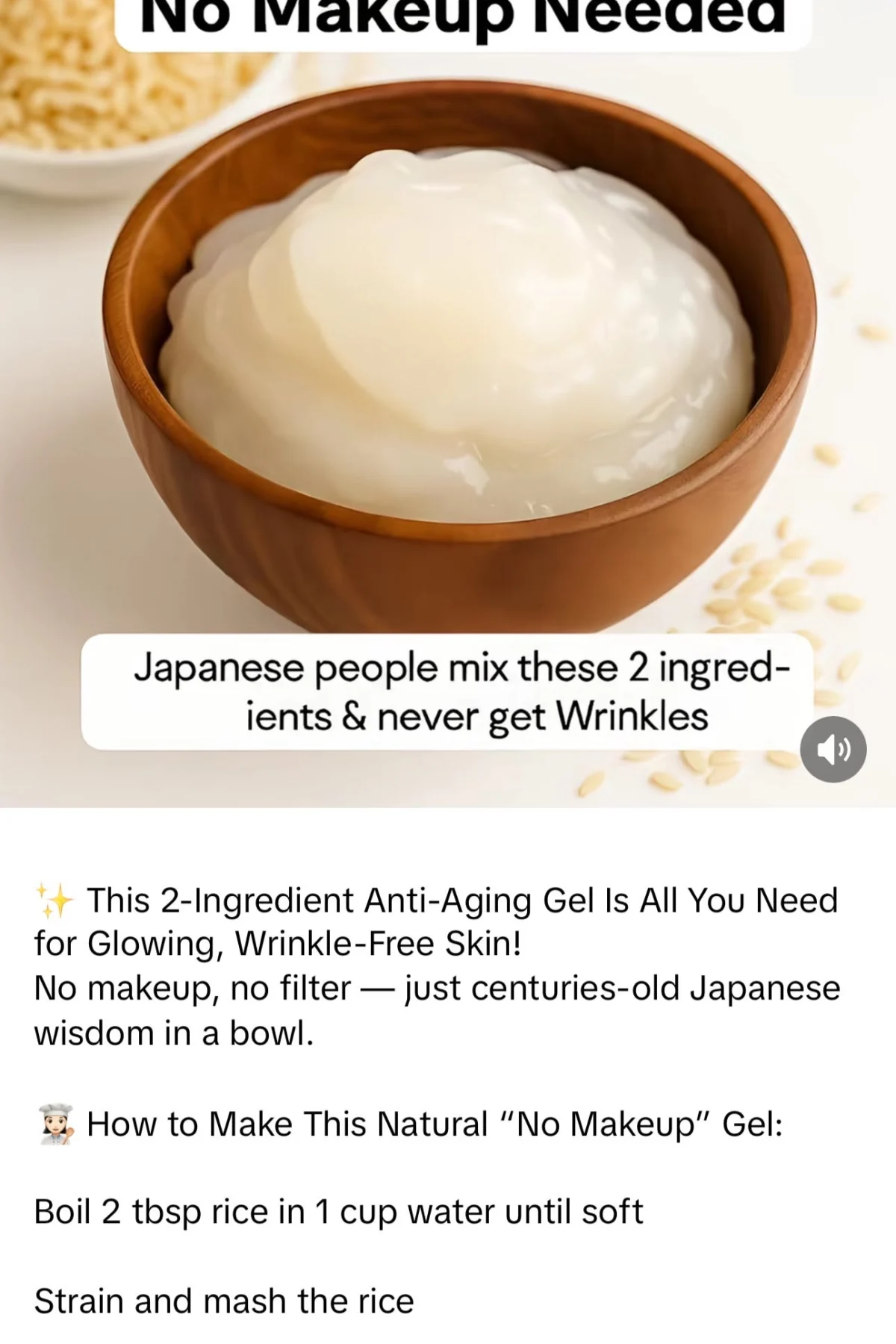
There is something quietly compelling about a skincare philosophy that prioritizes long-term nourishment over quick fixes. For many of us, the idea of a Japanese anti-aging gel for wrinkle-free skin feels like a breath of fresh air—light, intentional, and deeply hydrating. It represents a shift away from heavy creams and aggressive treatments toward textures that respect the skin’s natural barrier. Whether you are building a complete ritual or simply swapping one product in your lineup, the gel format offers a beautiful middle ground between a serum and a moisturizer. This approach is less about erasing every line and more about delivering sustained moisture that helps skin look comfortably smooth and lively throughout the day.
Why This Hydration-First Philosophy Matters
Traditional Japanese skincare often revolves around the concept of “mochi-hada,” or rice-cake skin—a descriptor for a bouncy, plump, and touchably soft complexion. The foundation of this look is not silicone fillers or heavy occlusives; it is thorough, layered hydration. When skin holds water efficiently, the surface appears more even, and fine lines caused by dryness look softer.
An anti-aging gel fits naturally into this philosophy because it delivers water-attracting ingredients without weighing the skin down. Many gel formulations use humectants like glycerin or forms of hyaluronic acid that pull moisture into the upper layers. They feel cooling on contact, absorb swiftly, and leave almost no sticky residue, which makes them particularly appealing for morning routines or humid environments. The goal is to keep skin in a state where it can flex and move without cracking that delicate surface film, a principle that is central to maintaining a youthfully fresh appearance.
What Makes This Texture Stand Out
If you have ever hesitated to use anti-aging products because of rich, heavy consistencies, a gel invites you to reconsider. Its water-forward composition tends to glide across the face rather than dragging, and it layers harmoniously over essences or lotions. This matters because friction during application is one of the most overlooked contributors to visible irritation and puffiness.
Many Japanese gels also feature botanical extracts chosen for their calming and brightening properties. Ingredients like rice bran, green tea, or snow mushroom extract have long histories of use in East Asian beauty cabinets. These elements are not aggressive exfoliants; they work gently over time to support a clearer, more even-toned appearance. Because the gel matrix traps both water and these nutrient-rich extracts, the skin receives a balanced dose of hydration and botanical care in a single step. It is a practical, clutter-reducing choice for anyone who prefers fewer products with clear purpose.
Key Visual Elements That Inspire Confidence
There is an understated elegance in products rooted in this tradition. Packaging tends to favor clean lines, soft pastel hues, and tactile materials like frosted glass or matte acrylic. The gel itself is often translucent with a subtle hint of an ingredient—maybe a faint pearl from rice ferment or a gentle green from matcha-derived components. This visual clarity communicates purity and simplicity before the first use.
Beyond the jar, the surrounding aesthetic carries a sense of calm intention. You might see a bamboo tray, a linen towel, or a single seasonal flower arranged nearby. These cues remind us that skincare is not just about outcomes; it is about the small sensory pleasures woven into daily life. When you see a scoop applied to a smooth spatula or fingertips gently pressing the product in, there is an immediate feeling of respect for the skin and the process itself. That mental shift from haste to care is quietly powerful.
Ways to Adapt the Idea to Your Routine
You do not need to completely overhaul your shelf to bring this inspiration into your personal care. Start with the principle of layered hydration and consider where a gel texture could solve a specific issue. If your current moisturizer leaves you feeling greasy by midday, switching to a gel during daytime can restore comfort without sacrificing moisture. If you have a serum that works well but lacks staying power, using a light gel over it can seal in hydration while keeping pores clear.
For individuals with combination skin, one strategy is to apply the gel generously across the cheeks and forehead while taking a slightly thinner layer over the nose and chin. For those who spend long hours in air-conditioned spaces, carrying a small refillable pot of gel in a bag provides an instantly refreshing midday reapplication. It is also worth exploring gels that can multitask as an eye contour treatment or a sleeping pack, as many were formulated with this gentle multifunctionality in mind.
Pairing and Styling Tips for a Complete Ritual
Think of the gel as the centerpiece of a quiet, soothing routine that deserves a supportive cast of products and habits. A soft double cleanse, beginning with a non-stripping oil-based wash and followed by a gentle foam, clears the way for the gel to absorb fully. Many enthusiasts of this aesthetic follow with a lightweight emulsion or a few drops of a face oil pressed over the gel to lock in the water content. This technique, sometimes called “sandwiching,” helps the active humectants work for longer before evaporation occurs.
Physical surroundings matter more than we often admit. Dim, warm lighting signals the brain that it is time to slow down, making the ritual feel like a treat rather than a chore. A fabric headband, a soft robe, and a clean vanity surface turn the application into a mini retreat. Even the way you handle the product—scooping with care, warming it slightly on the back of the hand, and pressing it into the skin with open palms—creates a rhythm that calms the nervous system. Over time, this consistent gentleness can lead to visible changes in skin clarity and texture.
Building a Thoughtful Selection Criteria
When you explore options, it helps to look beyond marketing language and examine a few practical details. First, scan the first five ingredients. If water appears first and is followed closely by humectants such as butylene glycol, propanediol, or sodium hyaluronate, you are likely looking at a true gel structure. Second, note the presence of a soothing agent like allantoin or licorice root extract, which can offset environmental stress. Third, check that the formula is fragrance-free or scented only with natural essential oils if you have reactive skin.
A word on preservation is useful here. Water-rich gels require robust yet skin-friendly preservative systems to remain safe during use. Look for packaging that limits air and light exposure—an opaque pump bottle or a jar with an inner lid adds practical longevity. If a product arrives in a wide-mouthed jar, using a clean spatula instead of fingers helps maintain its integrity from the first scoop to the last.
Common Questions About Lightweight Anti-Aging Gels
Can a gel really be anti-aging if it feels so light?
Yes, because anti-aging is not solely about thick butters or heavy oils. A well-made gel creates a moisture-rich environment where skin can maintain its bounce and resilience. Hydrated skin naturally reflects light more evenly, making lines and creases appear less pronounced. Over time, steady hydration supports the skin’s own repair processes, which is a foundational aspect of graceful aging.
Will this type of product work for mature or dry skin?
It can, especially when layered thoughtfully. Consider applying a hydrating toner or essence underneath the gel to boost moisture levels, then follow with a thin layer of a barrier-supporting cream or a couple of drops of camellia oil. This combination delivers both the immediate quenching effect of the gel and the longer-lasting seal that drier skin needs. The gel becomes one step in a flexible system rather than the sole source of moisture.
Is there a difference between Japanese gels and Western gel moisturizers?
While ingredient overlap exists, Japanese formulations often emphasize blendability, gentleness, and a satin finish that sits comfortably under sunscreen or makeup. They also tend to draw from a local botanical palette—think rice ferment filtrate, yuzu extract, or mugwort—which provides a distinctive soothing character. The formulation philosophy often prizes a “just right” sensation that avoids excess shine or tightness.
How often should I apply a gel to see smoother-looking skin?
Consistency is more important than frequency. Applying the gel morning and evening after cleansing and any water-based treatments gives skin a reliable hydration rhythm. Most people notice an immediate improvement in softness and a gradual evening-out of texture over two to four weeks of regular use. Pairing it with daily sun protection remains essential, as UV exposure undermines the very collagen network that keeps skin firm and resilient.
Bringing the spirit of a Japanese anti-aging gel into your life is about more than chasing a wrinkle-free ideal. It is about choosing products that feel like a daily act of kindness rather than a chore. The lightweight texture, the focus on water-bound nourishment, and the quiet beauty of the ritual create space for skin to look awake, plump, and at ease. You might begin with a single jar, a few intentional minutes, and a willingness to treat your skin with the same gentleness you hope it reflects back at you in the mirror.