Table of Contents
- Why You'll Love Mastering Brown Sugar
- Understanding Brown Sugar: Light vs. Dark
- How to Store Brown Sugar Secrets: Storage, Softening & Baking Guide
- How to Soften Hard Brown Sugar Fast
- Baking with Brown Sugar: Tips for Success
- Troubleshooting & Common Mistakes
- Storage, Make-Ahead & Reheating
- Frequently Asked Questions
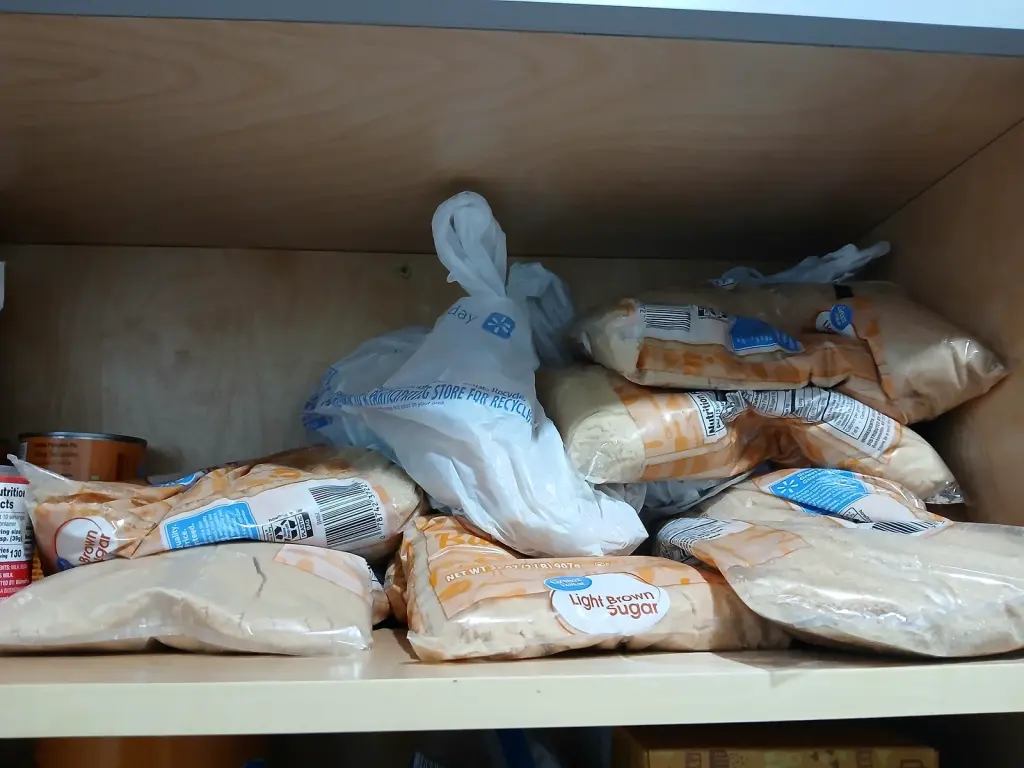
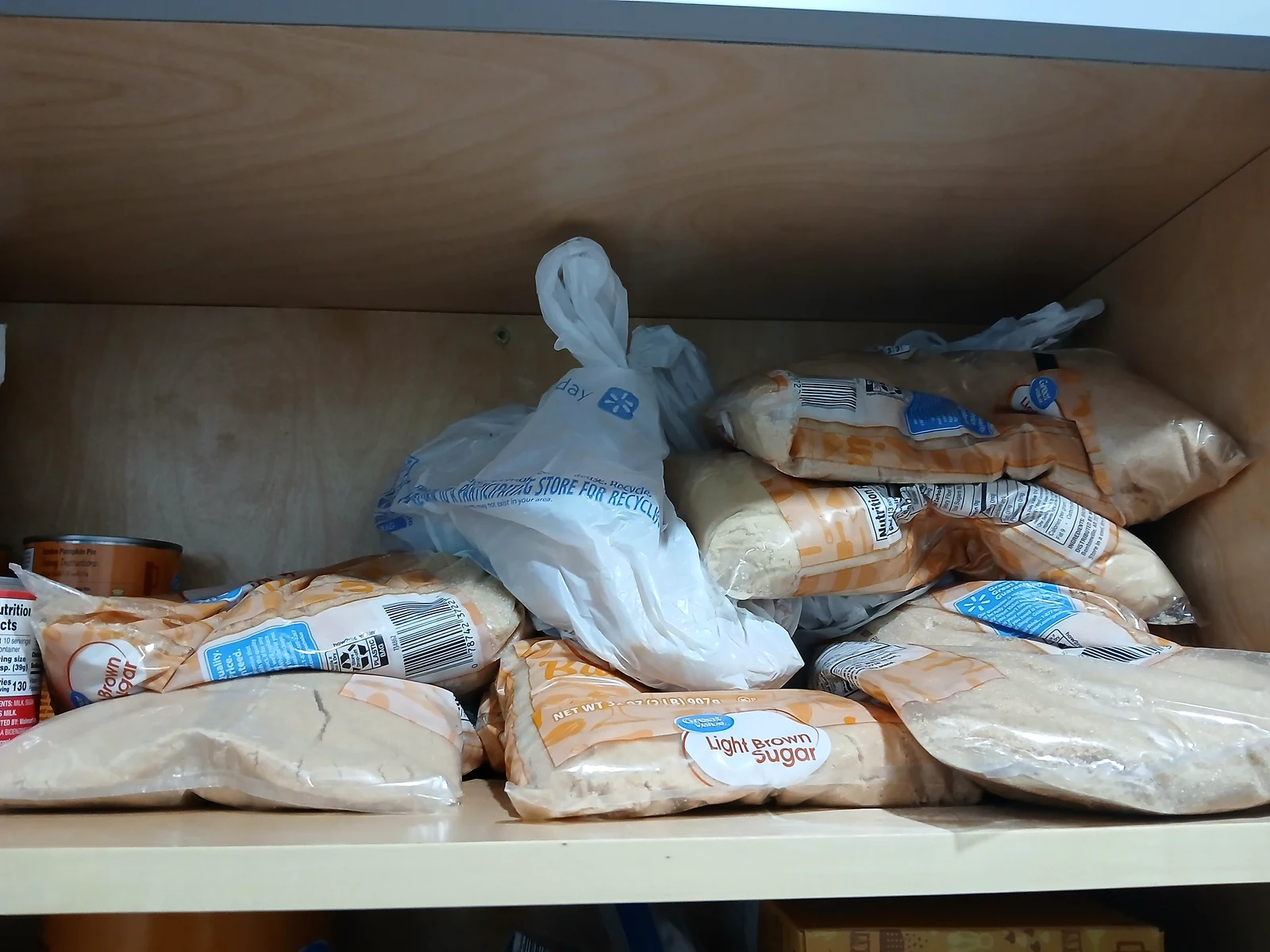
You know the feeling. You're halfway through a cookie recipe, and the brown sugar in your pantry has turned into a solid rock. You chip at it with a spoon, maybe microwave it, and hope for the best. But what if you could avoid that frustration entirely? Whether you just moved into a new place and discovered a small mountain of brown sugar bags (been there), or you simply want to keep your pantry in check, this guide is for you.
Brown sugar is a kitchen staple for a reason—it brings moisture, depth, and that unmistakable molasses flavor to everything from chocolate chip cookies to glazed carrots. But it's also notoriously fussy. Here's how to store it, soften it fast, and bake with it like a pro.
Why You'll Love Mastering Brown Sugar
- Never waste money again: A single hardened bag can cost you a whole baking project. Proper storage saves cash.
- Better texture in every bite: Soft, fresh brown sugar creams beautifully with butter for chewy cookies and tender cakes.
- Quick fixes: You're never more than 10 minutes away from usable sugar, even if it's rock hard.
- Long shelf life: Stored right, brown sugar stays fresh for months—no more emergency runs to the store.
- Versatile flavor: From savory rubs to sweet crumbles, brown sugar is a flavor powerhouse.
Understanding Brown Sugar: Light vs. Dark
Before we dive into storage, let's clear up the difference. Brown sugar is simply white sugar mixed with molasses. Light brown sugar has less molasses (about 3.5%), giving it a mild, caramel-like sweetness. Dark brown sugar has more (around 6.5%), so it's deeper, moister, and more intensely flavored.
Both work interchangeably in most recipes, but dark brown sugar shines in gingerbread, barbecue rubs, and rich chocolate desserts. Light brown sugar is your go-to for cookies, cakes, and everyday baking.
How to Store Brown Sugar Secrets: Storage, Softening & Baking Guide
Brown sugar hardens because it loses moisture. The key is to keep that moisture locked in. Here are the best methods:
- Airtight container: Transfer your sugar to a heavy-duty airtight container (glass or plastic). Squeeze out as much air as possible before sealing.
- Terra cotta disk: Soak a food-safe terra cotta disk in water for 15 minutes, dry it off, and place it in the container with the sugar. It releases moisture slowly.
- Apple slice or bread: Toss a fresh apple slice or a piece of bread into the bag. Replace it every few days before it molds.
- Freezer trick: For long-term storage, freeze brown sugar in a zip-top bag. It won't freeze solid—just scoop what you need and reseal.
Pro-Tip: Never store brown sugar in the refrigerator. The cold, dry air will harden it faster than you can say "cookie."
How to Soften Hard Brown Sugar Fast
Even with perfect storage, you might inherit a rock-hard bag (like finding a stash in a new apartment). Here's how to rescue it:
- Microwave method: Place the sugar in a microwave-safe bowl, cover with a damp paper towel, and microwave in 20-second bursts. Check after each burst—it softens quickly.
- Oven method: Spread the sugar on a baking sheet and bake at 250°F (120°C) for 5–10 minutes. Watch closely so it doesn't melt.
- Bread trick: Seal the sugar in a bag with a slice of fresh bread overnight. The sugar absorbs moisture from the bread.
- Blender or food processor: For large chunks, pulse in a food processor until it breaks down. Be careful not to over-process into powder.
Once softened, transfer to an airtight container to keep it that way.
Baking with Brown Sugar: Tips for Success
Brown sugar behaves differently than white sugar. Here's what to keep in mind:
- Always pack it: When measuring brown sugar, pack it firmly into the measuring cup. This ensures the right density.
- Creaming matters: Beat brown sugar with butter until light and fluffy—this incorporates air for tender baked goods.
- Watch the heat: Brown sugar caramelizes faster than white sugar, so lower oven temperatures slightly if your baked goods brown too quickly.
- Balance flavors: A pinch of salt enhances brown sugar's molasses notes.
Pro-Tip: For chewier cookies, substitute half the white sugar with brown sugar. The molasses keeps them soft for days.
Troubleshooting & Common Mistakes
- Hard as a rock? Use the microwave or bread method above. Avoid hammering—you'll break your counter.
- Lumpy sugar? Sift it before using to remove clumps.
- Too moist? If your sugar is wet, spread it on a baking sheet to dry for an hour.
- Moldy sugar? Discard it immediately—mold means moisture got in and bacteria may be present.
Storage, Make-Ahead & Reheating
Properly stored brown sugar lasts indefinitely. Keep it in an airtight container in a cool, dry place. For long-term storage, freeze it. To use frozen sugar, let it come to room temperature before measuring.
If you need to soften a large batch, place the sugar in a bowl with a damp towel over it and let it sit for a few hours.
Frequently Asked Questions
Can I use brown sugar after it's been hard for months?
Yes, as long as it hasn't molded. Soften it using one of the methods above, and it's perfectly safe to use.
How do I keep brown sugar from hardening in the first place?
Store it in an airtight container with a moisture source like a terra cotta disk or apple slice. Avoid air exposure.
Can I substitute dark brown sugar for light?
Yes, but expect a stronger molasses flavor. Use dark brown sugar in recipes where that depth is welcome, like gingerbread or baked beans.
Is brown sugar healthier than white sugar?
Not significantly. It contains trace minerals from molasses, but the difference is negligible. Enjoy it for flavor, not health benefits.
With these tips, you'll never be caught off guard by a brick of brown sugar again. Happy baking!
Dessert • American
Classic Chewy Brown Sugar Cookies
★★★★★
4.9
(42 reviews)
Soft, chewy cookies with rich molasses flavor and a crackly top—perfect for using up that brown sugar.
🛒 Ingredients
- ✓2 1/4 cups all-purpose flour
- ✓1 tsp baking soda
- ✓1/2 tsp salt
- ✓1 cup unsalted butter, softened
- ✓1 1/4 cups packed brown sugar
- ✓1 large egg
- ✓1 tsp vanilla extract
- ✓1/4 cup granulated sugar (for rolling)
📋 Step-by-Step Instructions
-
1Preheat oven to 350°F (175°C). Line baking sheets with parchment paper.
-
2Whisk flour, baking soda, and salt in a bowl.
-
3Beat butter and brown sugar until light and fluffy, about 3 minutes.
-
4Add egg and vanilla, beat until combined.
-
5Gradually mix in dry ingredients until just incorporated.
-
6Roll dough into 1-inch balls, then roll in granulated sugar.
-
7Place on baking sheets 2 inches apart. Bake 8–10 minutes until edges are set.
-
8Cool on sheets for 5 minutes, then transfer to wire racks.