Table of Contents
- Why This Batter Works So Well
- The Exact Long John Silver’s Batter Ingredients
- How to Mix the Perfect Batter
- Step-by-Step Frying Instructions
- Tips for Recreating That Restaurant Texture at Home
- What to Serve with Deep-Fried Seafood
- Frequently Asked Questions
- Can I use this batter for other foods besides seafood?
- What if I do not have a deep fryer?
- How do I store and reheat leftovers?
- Can I make the batter ahead of time?
There is something undeniably satisfying about biting into a piece of fish encased in a shatteringly crisp, golden shell that gives way to tender, flaky seafood. For decades, that specific texture and flavor has been synonymous with a visit to Long John Silver’s. The famous Long John Silver’s batter recipe is more than just a coating; it is a perfect alchemy of simple ingredients that transform ordinary fillets into something extraordinary. If you have ever wondered how to get that distinctively bubbly, light, and crunchy exterior at home without a special restaurant fryer, the answer lies in a straightforward formula you can mix up in minutes.
Why This Batter Works So Well
What sets this particular seafood batter apart is its ability to puff up into a delicate, airy crust that does not feel heavy or greasy when fried correctly. The secret is not a complicated technique or a hard-to-find ingredient; it is the combination of the dry components and the consistency of the mixture. The batter adheres beautifully to the surface of the food, creating a protective seal that keeps the fish or chicken moist on the inside while becoming remarkably crisp on the outside.
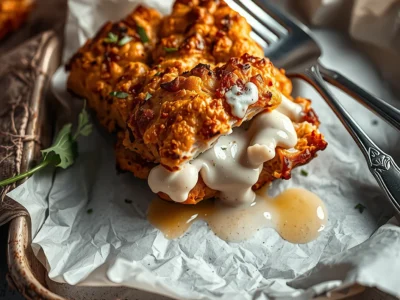
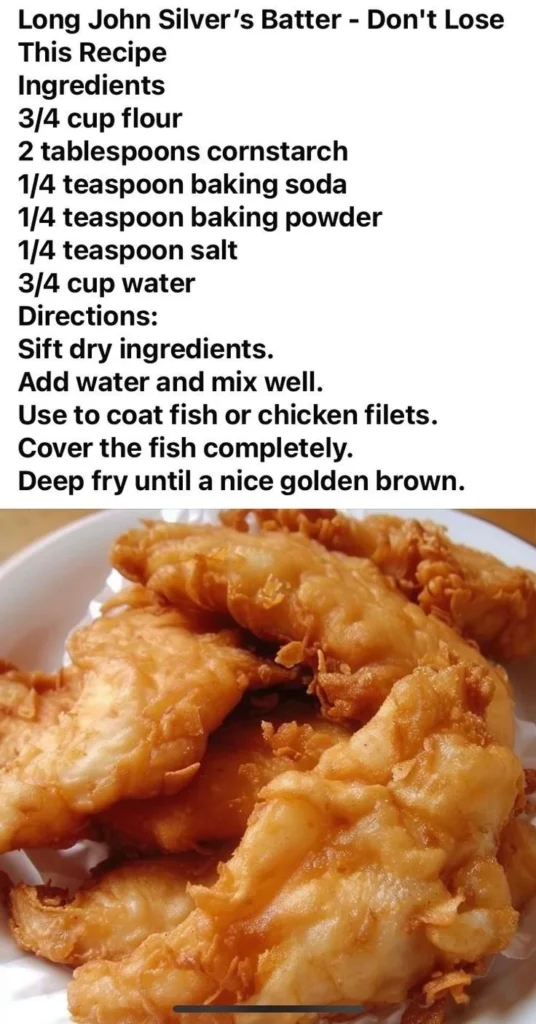
The visual appeal of the final product is a huge part of its charm. When you drop the coated fillet into hot oil, the batter immediately starts to form hundreds of tiny bubbles, which set into the iconic textured crust everyone recognizes. That golden-brown color signals not just a beautiful finish but a perfectly cooked, crunchy layer that stays intact. It is a reliable method for turning a weeknight dinner into something that feels like a treat, without requiring any specialized culinary skills.
The Exact Long John Silver’s Batter Ingredients
To achieve the authentic texture and taste, you need to follow the precise combination of dry ingredients and water. The recipe relies on pantry staples that you likely already have in your kitchen. The balance between flour, cornstarch, and leavening agents is what creates the signature lightness, so measuring accurately is important.
- 3/4 cup all-purpose flour
- 2 tablespoons cornstarch
- 1/4 teaspoon baking soda
- 1/4 teaspoon baking powder
- 1/4 teaspoon salt
- 3/4 cup water
Each of these items plays a specific role. The flour provides the structure, while the cornstarch works to reduce gluten formation and increase crispiness. The combination of baking soda and baking powder creates an instant chemical reaction when the batter hits the hot oil, releasing carbon dioxide and causing that distinctive puff. The salt simply enhances the overall flavor of the coating, making sure it is not bland.
How to Mix the Perfect Batter
Getting the right consistency is just as crucial as having the right ingredients. You are looking for a smooth liquid that is fluid enough to coat the back of a spoon but not so thick that it becomes doughy. Over-mixing is the enemy of a light batter because it develops the gluten in the flour, which can result in a tough, chewy crust instead of a delicate one.
Start by sifting the dry ingredients together into a mixing bowl. Sifting aerates the flour and ensures that the baking soda, baking powder, and cornstarch are evenly distributed without any lumps. Add the three-quarters cup of water and mix well with a whisk or fork until the batter is uniform and smooth. The mixture should look slightly thin; it will cling to the food perfectly once it meets the hot oil. Let the batter sit for a few minutes while you heat your oil so the starch particles have a moment to hydrate fully.
Step-by-Step Frying Instructions
Successful deep frying at home depends on maintaining a consistent oil temperature. The batter is designed to crisp up quickly, sealing the food inside before it can absorb too much oil. You will need a heavy-bottomed pot, a deep fryer, or a deep skillet to manage this safely.
- Pour enough oil into your pot or deep fryer to fully submerge the fillets, usually about two to three inches, and heat it to 350°F (175°C).
- Pat your fish or chicken fillets completely dry with paper towels. Excess moisture on the surface can cause the batter to slide off and create dangerous oil splatter.
- Dip a fillet into the batter, letting any excess drip back into the bowl for a few seconds. You want a thin, even coat that covers the entire piece of food.
- Carefully lower the coated fillet into the hot oil, sliding it away from you to prevent splashes. Do not overcrowd the pot, which drops the oil temperature and leads to soggy results.
- Fry the fillets for about four to six minutes, turning them over once halfway through, until the batter is deeply golden brown and the fish or chicken is cooked through.
- Remove the fried pieces with a slotted spoon or spider strainer and place them on a wire rack over a baking sheet. This keeps the entire surface crispy, unlike placing them directly on paper towels, which can trap steam.
Tips for Recreating That Restaurant Texture at Home
Many people struggle with homemade fried food turning out greasy or losing its crunch quickly. The keys to avoiding these common pitfalls are temperature control and knowing what to do immediately after frying. An instant-read or candy thermometer is an inexpensive tool that removes all the guesswork from oil heating, and it is the single best investment for perfect frying.
The batter’s magic happens in the first seconds of contact with the heat. If the oil is not hot enough, the coating will absorb fat before it has a chance to set, making it heavy. If the oil is too hot, the outside will burn long before the inside is fully cooked. A steady 350°F is the sweet spot for this Long John Silver’s batter recipe. Also, remember that adding several cold fillets to the oil will lower the temperature, so you may need to adjust your heat source briefly after adding each batch.
What to Serve with Deep-Fried Seafood
A plate of golden, crispy fried fish deserves sides that complement its crunch and cut through the richness. Traditional accompaniments are always a favorite, but you can also add fresh elements to balance the meal. The goal is to mix textures and flavors so that every bite feels complete and satisfying.
- Classic french fries or crunchy hush puppies
- Creamy coleslaw with a tangy vinegar or mayonnaise dressing
- Malt vinegar for a sharp, authentic seafood-shop flavor
- Zesty tartar sauce made with chopped pickles and a squeeze of lemon
- A squeeze of fresh lemon or lime wedges to brighten the fish
- Steamed green peas or a simple garden salad for a fresh contrast
Frequently Asked Questions
Even with a simple recipe, home cooks often have questions about substitutions, timing, and the best way to handle leftovers. Here are clear answers to the most common concerns you might encounter when mixing and frying this batter.
Can I use this batter for other foods besides seafood?
Yes, this versatile coating is excellent on a variety of foods. Beyond fish and chicken fillets, you can try it on onion rings, shrimp, or even sliced vegetables like zucchini and mushrooms. Just make sure that whatever you are frying is cut into pieces that will cook through in about the same time it takes for the batter to become perfectly golden brown.
What if I do not have a deep fryer?
A deep fryer is convenient but absolutely not necessary. A heavy-bottomed Dutch oven or deep cast-iron skillet works beautifully because these materials hold heat exceptionally well and help the oil temperature recover quickly after you add food. Fill it no more than halfway with oil, and always use a thermometer to monitor the heat.
How do I store and reheat leftovers?
Store any leftover fried fish or chicken in an airtight container in the refrigerator for up to two days. To bring back the crunch, reheat them in an oven or air fryer set to 375°F until they are hot throughout and the batter has crisped up again. Skip the microwave, which will make the coating steam and turn unpleasantly soft.
Can I make the batter ahead of time?
This batter is at its best when used immediately after mixing. The leavening agents, baking powder and baking soda, begin their reaction as soon as they meet the water, and you want that rising power to happen in the hot oil, not while sitting in the bowl. If you must, you can whisk the dry ingredients together ahead of time, then add the water right before you begin frying.
Making a batch of crispy, golden fried seafood at home with the Long John Silver’s batter recipe is a rewarding way to capture the flavor of a beloved restaurant classic. With just a handful of simple ingredients and a close eye on the oil temperature, you can produce a meal that looks as impressive as it tastes. Pull everyone to the table, pass around the tartar sauce and lemon wedges, and enjoy every shatter-crunchy bite while it is still wonderfully hot.