
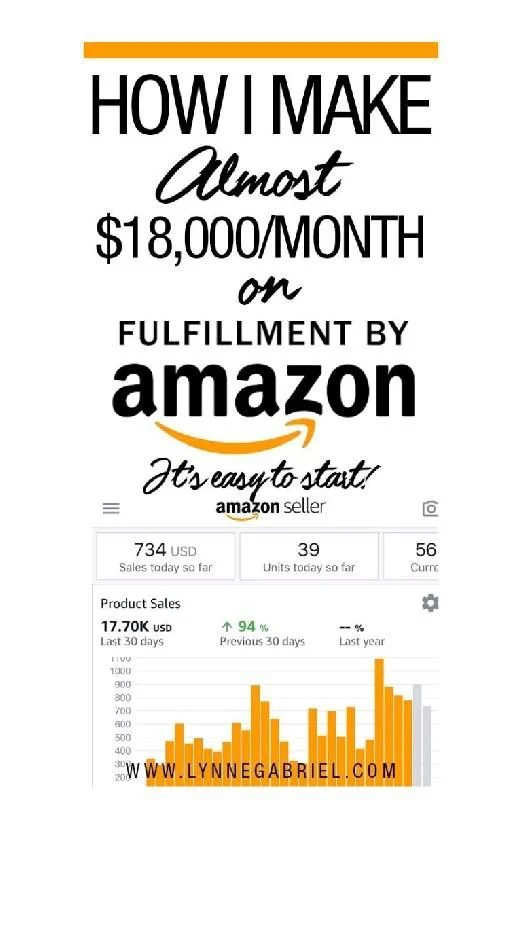
Amazon FBA (Fulfillment by Amazon) is a service where you send your inventory to Amazon’s warehouses, and they handle storage, packing, and shipping when a customer buys. You provide the product; they provide the logistics.
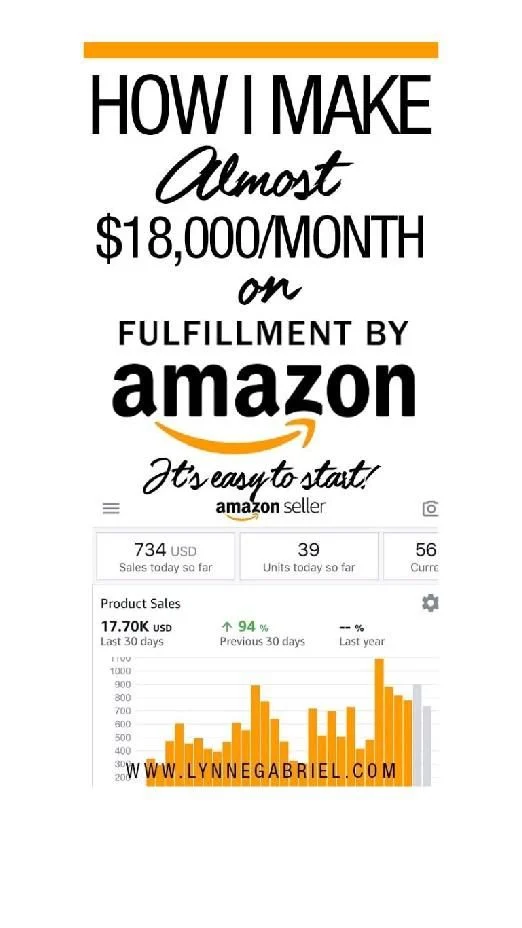
It’s not a magic button for wealth. It’s a retail business with different overheads than a brick-and-mortar store. The image you saw showing high monthly income is possible, but it represents the outcome of successful product selection, supply chain management, and marketing, not just signing up for an account.
How the FBA Model Actually Works
The process is linear. You source a product, usually from a manufacturer or wholesaler. You create a listing on Amazon. You ship the bulk inventory to an Amazon fulfillment center. When a customer orders your item, Amazon picks it, packs it, and ships it. They also handle customer service and returns for that transaction.
This removes the need for you to keep stock in your garage or hire staff to pack boxes at 2 a.m. It also grants your products eligibility for Amazon Prime, which significantly increases conversion rates because buyers trust fast, free shipping.
The trade-off is cost. Amazon charges fees for every unit sold and for every month that unit sits in their warehouse. If you don’t account for these fees, you can sell a product for $20 and lose money on the deal.
Calculating Your Real Profit Margin
Before you buy a single unit, you need a calculator. Amazon provides an official FBA Revenue Calculator, but third-party tools like Helium 10 or Jungle Scout are often used by sellers for deeper data. You must know three numbers before you start:
- Product Cost: What you pay the supplier, including shipping to Amazon.
- Amazon Fees: Referral fees (usually 15% of sale price) and FBA fulfillment fees (based on size and weight).
- Marketing Spend: Budget for PPC (Pay-Per-Click) ads to get visibility.
A healthy margin is typically 25% to 30% after all fees. If your margin is 10%, one return or a slight increase in ad spend wipes out your profit. Don’t guess. Plug your estimated numbers into a calculator. If the math doesn’t work on paper, it won’t work in reality.
Sourcing Products That Sell
The biggest mistake beginners make is choosing a product they like rather than a product people are buying. You are not starting a brand based on passion; you are starting a retail operation based on data.
Look for items that are small, lightweight, and non-fragile. Large items incur higher storage and shipping fees. Fragile items lead to higher return rates due to damage in transit. Avoid electronics with complex warranties or items with strict regulatory requirements unless you have specific expertise.
Use keyword research tools to find demand. Look for products with high search volume but low competition. If the top ten results on Amazon all have thousands of reviews, it will be hard to break in. You want a gap in the market where you can offer a slight improvement, better packaging, or a bundle that adds value.
Setting Up Your Seller Account
Amazon offers two plans: Individual and Professional. The Individual plan costs $0.99 per item sold. The Professional plan costs $39.99 per month regardless of sales volume. If you plan to sell more than 40 items a month, the Professional plan is cheaper. It also gives you access to advertising tools and bulk listing uploads.
You will need a valid ID, a credit card, and a bank account. Amazon verifies your identity to prevent fraud. This process can take a few days. Have your documents ready before you start.
Once approved, you create your product listings. This requires high-quality images and clear, keyword-rich titles and bullet points. Your main image must be on a pure white background. Amazon is strict about this. Poor images kill sales, no matter how good the product is.
Managing Inventory and Cash Flow
FBA requires upfront capital. You pay for inventory before you sell a single unit. You also pay Amazon storage fees. If you run out of stock, your listing loses ranking, and it takes time to regain traction. If you order too much, you pay long-term storage fees for items that don’t sell.
Track your inventory levels closely. Amazon provides dashboards for this, but many sellers use external software to forecast demand. Reorder inventory when you have enough stock to last 30 to 60 days, accounting for lead time from your supplier.
Cash flow is the silent killer of FBA businesses. You need enough capital to cover two to three months of inventory purchases while waiting for Amazon to release your sales proceeds. Amazon holds funds for new sellers for up to 14 days. Plan for this delay.
Common Pitfalls to Avoid
Intellectual Property Infringement: Never sell branded items unless you are an authorized reseller. Selling counterfeit goods or items that infringe on patents or trademarks will get your account suspended permanently. Check trademarks and patents before sourcing.
Neglecting Customer Reviews: Reviews drive social proof. Encourage reviews through Amazon’s “Request a Review” button. Do not offer incentives for positive reviews; this violates Amazon’s policy and risks your account.
Ignoring Competition: The market changes daily. New competitors enter, prices drop, and trends shift. Monitor your competitors’ pricing and promotions. Adjust your strategy as needed.
Is FBA Right for You?
Amazon FBA is a legitimate business model, but it is not passive income. It requires research, capital, and ongoing management. It suits people who are analytical, detail-oriented, and willing to invest time in learning the platform’s rules.
If you are looking for a quick fix, this isn’t it. If you are willing to treat it like a real business, with proper planning and risk management, it can be a viable way to generate income. Start small, validate your product idea, and scale gradually.
FAQ
How much money do I need to start Amazon FBA?
You should have at least $2,000 to $5,000 to cover initial inventory, shipping, packaging, and advertising costs. Less capital increases the risk of running out of stock or failing to gain traction.
Can I use my own shipping instead of FBA?
Yes, this is called FBM (Fulfillment by Merchant). You handle storage and shipping. It gives you more control but requires more work and doesn’t grant Prime eligibility automatically.
How long does it take to see sales?
It varies. Some sellers see sales within weeks; others take months. It depends on product demand, competition, and your marketing efforts. Patience and persistence are key.