
Every fantasy author knows the feeling. You have a vivid world taking shape in your mind, characters demanding their stories be told, and magic systems waiting to be defined. Then you sit down at the keyboard and realize you need a reliable way to name a mountain range, map a continent, or simply find someone who understands why you spent three hours researching medieval grain storage. The right websites can turn those stuck moments into productive breakthroughs. Whether you are drafting your first chapter or revising a completed manuscript, having a curated set of essential websites for fantasy authors keeps your creative momentum flowing and your world-building grounded.
Why Curated Resources Matter for Fantasy Writers
Fantasy writing is uniquely demanding. Unlike contemporary fiction, you cannot simply glance out the window to describe your setting or rely on shared cultural references. Every detail of your world springs from your research and imagination working together. A scattered approach leads to inconsistent magic rules, place names that sound too similar, and hours lost chasing rabbit holes that do not serve your story.
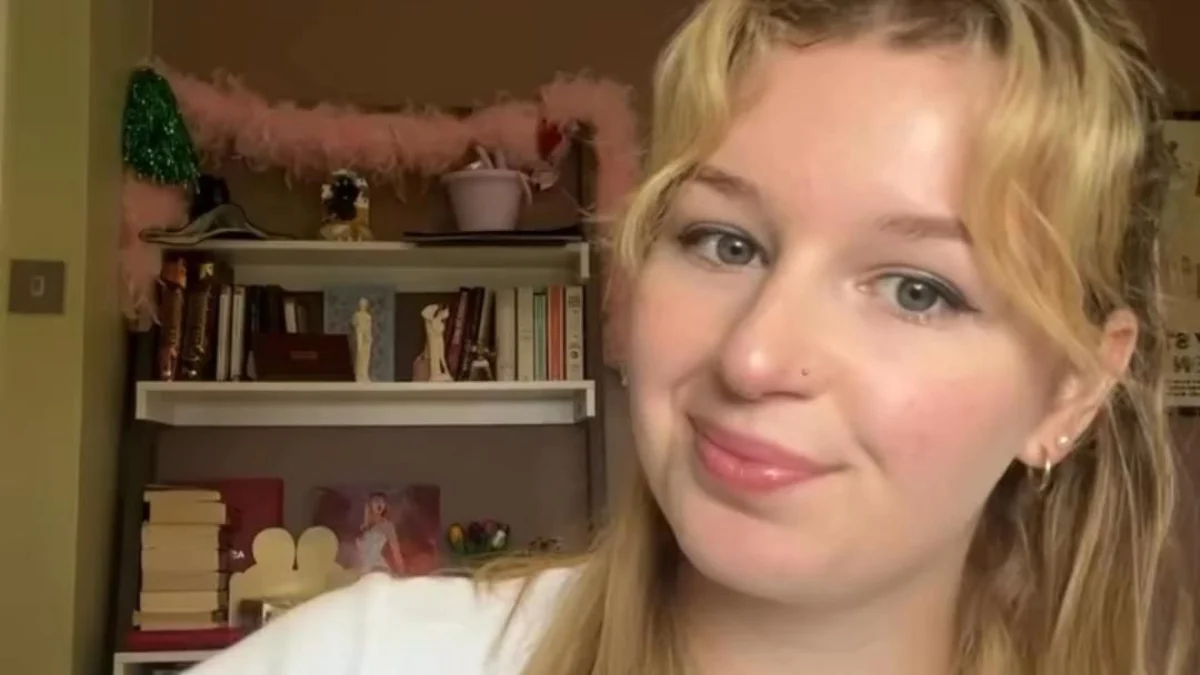
Having a reliable toolkit of websites means you spend less time searching and more time writing. These resources help you solve specific problems quickly, from generating authentic-sounding character names to understanding how different terrains affect travel times. The woman in the study above, surrounded by her books and quiet creative space, represents every writer who balances the solitary nature of the craft with the need for external inspiration and practical support.
World-Building and Map-Making Platforms
Geography shapes culture, conflict, and character. A coastal kingdom develops differently from a mountain stronghold, and your readers will sense when a setting feels authentic. Dedicated cartography tools let you sketch continents, adjust coastlines, and place cities without needing artistic training.
Look for platforms that allow layering. You might start with landmass shapes, add mountain ranges and rivers, then mark settlements and trade routes. The best tools let you toggle between political boundaries, climate zones, and terrain types so you can check whether your nomadic horse culture actually lives somewhere grasslands would exist. Many fantasy authors also use these visual maps during revisions to verify travel times and ensure characters are not accidentally crossing a desert in a single afternoon.
Name Generators and Language Resources
Names carry weight in fantasy. A character called Bob feels out of place in an elven court, while a name with fourteen apostrophes can frustrate readers before they finish the first page. Name generators built specifically for fantasy authors offer options based on linguistic patterns, cultural aesthetics, and species conventions.
Effective generators let you filter by gender, starting letter, syllable count, and cultural flavor such as Norse, Celtic, or entirely invented. Some also generate place names, tavern names, and magical artifact titles. Pair these tools with basic conlanging resources if you want consistent naming conventions across an entire region. Even a simple phonetic rule, like all river names ending in a vowel and all mountain names containing a hard consonant, adds subconscious cohesion your readers will appreciate.
Writing Communities and Critique Spaces
Writing is solitary, but revising should not be. Online writing communities give fantasy authors a place to share excerpts, ask genre-specific questions, and receive feedback from people who understand the conventions you are working with or deliberately subverting. A reader unfamiliar with fantasy might question your magic system when what you actually need is a fellow writer who can pinpoint whether your rules hold together logically.
Seek out communities with clear guidelines around constructive feedback and sections dedicated to speculative fiction. Many platforms host regular writing challenges, word-sprint sessions, and critique exchanges that keep you accountable. The bookshelf behind the writer in the image reflects a creative mind that values both solitary study and the broader literary conversation. Finding your writing circle online replicates that sense of shared purpose even when you work alone.
Research Archives and Historical References
Fantasy may be invented, but the most immersive worlds borrow thoughtfully from real history. Understanding how actual civilizations handled agriculture, warfare, trade, and governance prevents you from accidentally creating a city with no food source or a military campaign that ignores basic logistics. Research websites focused on history, anthropology, and historical fashion let you check details quickly.
Bookmark resources that cover daily life rather than just major events. Knowing what a blacksmith ate for breakfast or how long candles burned in a medieval household grounds your scenes in sensory detail. Museums with extensive online collections offer high-resolution images of artifacts, clothing, and tools you can describe with accuracy. These small touches signal to readers that your world has weight and texture beyond the main plot.
Organizational Tools and Drafting Software
A sprawling fantasy novel generates sprawling notes. Character timelines, family trees, magic system rules, faction allegiances, and revision notes multiply faster than you expect. Cloud-based organizational tools let you access your story bible from any device and search across thousands of words of background material in seconds.
Choose platforms that support linking between documents. When you mention a minor character in chapter twelve, you want to click directly to their profile and verify their eye color without scrolling through months of scattered files. Visual corkboard features help you map scenes, while tagging systems let you track subplots, point-of-view characters, and emotional arcs across the entire manuscript. The peace of mind that comes from knowing every detail is captured and findable frees your brain to focus on prose.
Practical Tips for Building Your Resource Kit
Start small and intentional. It is easy to bookmark fifty websites and never return to any of them because the list itself becomes overwhelming. Instead, identify your current writing bottleneck and find one or two resources that directly address it. If naming stalls your drafting, start there. If you keep getting lost in your own plot threads, prioritize organizational tools.
Organize your chosen websites into clear categories within your browser bookmarks or a dedicated document. Consider groupings like world-building, revision help, community feedback, and publishing guidance. Revisit your list quarterly and remove anything you have not used. A lean toolkit of five reliable websites serves you far better than a bloated collection of fifty forgotten links.
- Focus on one writing problem at a time when adding new resources
- Test a website thoroughly during an actual writing session before committing to it
- Keep a running list of gaps you notice during drafting so you know what tool to seek next
- Share useful finds with writing friends and ask what they use for similar challenges
- Back up any original content you create on external platforms to avoid losing work
Frequently Asked Questions
What types of websites do beginner fantasy authors need most?
Beginners benefit most from a reliable name generator, a basic map-making tool, and access to a supportive writing community. These three resources cover the common early hurdles of naming characters and places, visualizing your world, and finding encouragement when the drafting feels lonely. Add organizational tools once your project grows beyond a few chapters and you start forgetting details you established earlier.
How can I tell if a writing website is trustworthy?
Look for platforms with active moderation, clear privacy policies, and communities that have existed for several years. Read through recent forum threads or review sections to gauge the tone and quality of feedback. Trustworthy writing resources credit their sources, update their content regularly, and do not make unrealistic promises about publication or success. If a website pressures you to pay before demonstrating clear value, explore free alternatives first.
Do I need to pay for premium fantasy writing tools?
Many excellent resources offer robust free versions that serve most authors well through multiple drafts. Start with free tiers and upgrade only when a specific paid feature directly solves a recurring problem in your workflow. A free map tool that lets you create basic landmasses might be enough for your entire trilogy, while a premium subscription to an organizational platform becomes worthwhile when your series spans thousands of pages of notes.
How do I avoid spending more time researching than writing?
Set a timer for research sessions and keep a notepad open to jot down questions that arise during drafting. Instead of pausing mid-scene to verify historical details, insert a bracketed note like [check sword maintenance] and keep writing. Dedicate a separate block of time later to work through your accumulated questions efficiently. This boundary protects your creative flow while still honoring the research your world deserves.
Can online communities help with fantasy-specific plot problems?
Yes, genre-focused writing communities are invaluable for troubleshooting fantasy plot holes, magic system inconsistencies, and world-building contradictions. Fellow fantasy authors understand genre tropes well enough to help you either execute them well or subvert them effectively. Explain your specific issue clearly and frame what kind of feedback you need, whether that is brainstorming solutions or simply confirming whether a particular rule in your magic system holds up under scrutiny.
Building a writing life means building a supportive ecosystem around your creative practice. The quiet corner with the bookshelf, the reliable websites bookmarked on your browser, the community that welcomes your drafts and questions, all of it forms a foundation that holds steady when inspiration wavers or a plot refuses to cooperate. Gather your essential websites for fantasy authors with intention, use them to solve real problems in your process, and let them fade into the background when it is time to simply write. Your world is waiting, and now you have the tools to bring it fully to life.