
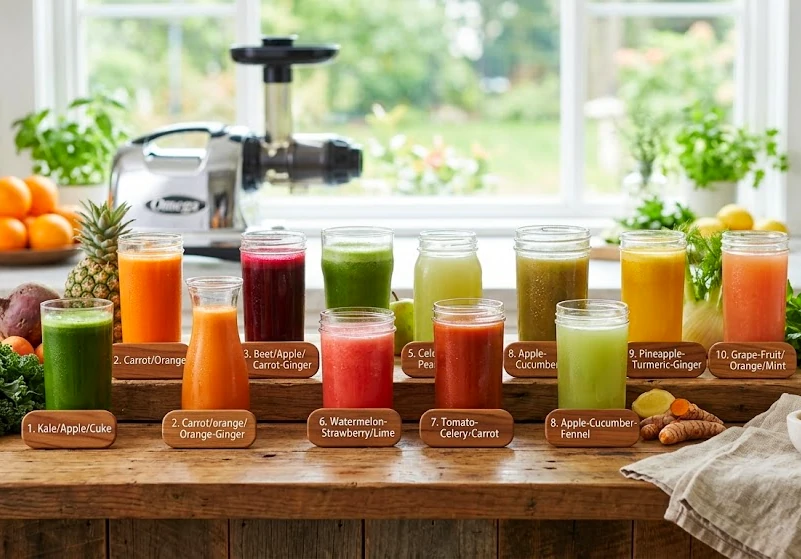
Healthy juice combinations are changing. Instead of mixing random ingredients and attaching dramatic promises such as “detox,” “clear skin,” or “unlimited energy,” more home cooks are focusing on balanced flavor, fresh produce, and recipes they will actually prepare again.
The best healthy juice combinations include three basic parts: a water-rich ingredient, a fruit or vegetable that builds flavor, and a strong accent such as ginger, lemon, mint, or basil. This approach creates drinks that taste refreshing without becoming too sweet, bitter, or difficult to prepare.
Fresh juice can add variety to your diet, but it should not replace water, whole fruits, vegetables, or complete meals. Whole fruit contains more fiber and can help you feel full longer than fruit juice.
Flavor first. Claims second.
What Is a Healthy Juice Combination?
A healthy juice combination is a mixture of fruits, vegetables, herbs, or spices designed to create balanced flavor without relying on added sugar. A good combination normally includes a mild base, a naturally sweet or acidic ingredient, and a smaller amount of a concentrated flavor.
For example, cucumber works as a light base, green apple adds tart sweetness, and ginger creates a warm finish. Each ingredient has a clear role.
That structure matters because adding more ingredients does not automatically create a better drink. Too many sweet fruits can produce a concentrated beverage that is easy to overconsume, while too much kale, ginger, parsley, or turmeric can overpower everything else.
Juicing vs. Blending: Which Is Better?
Juicing separates much of the liquid from the pulp. Blending keeps most of the edible material inside the drink.
A smoothie is better than strained juice when fiber, fullness, and a thicker texture are your priorities. Juice is useful when you want a lighter drink with a concentrated produce flavor.
The CDC recommends choosing whole fruit more frequently because juice contains less fiber and can deliver a large amount of natural sugar in a short time.
This does not make homemade juice “bad.” It simply means that juice and whole produce serve different purposes.
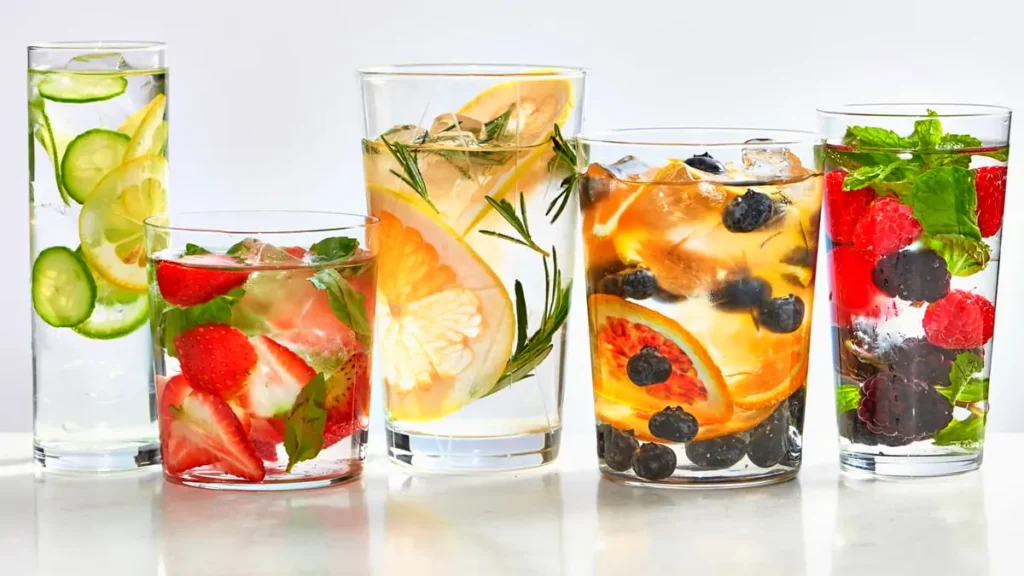
1. Cucumber, Green Apple, Kale, and Ginger
This green combination is one of the best recipes for someone using a juicer for the first time.
Ingredients
- ½ large cucumber
- 1 green apple
- 2 small kale leaves
- 1 thin piece of fresh ginger
- Cold water, if needed
How to Make It
Wash all the ingredients carefully. Remove the apple seeds, then pass the cucumber, apple, kale, and ginger through your juicer.
Taste the drink before adding more ginger. When the flavor feels too concentrated, stir in a small amount of cold water.
Why This Combination Works
Cucumber provides most of the liquid and keeps the drink light. Green apple balances the leafy kale with tart sweetness, while ginger adds warmth and aroma.
This recipe is better than a kale-heavy green juice for beginners because the vegetable flavor does not dominate the glass.
Best For
First-time juicers who want to try leafy greens without preparing an intensely bitter drink.
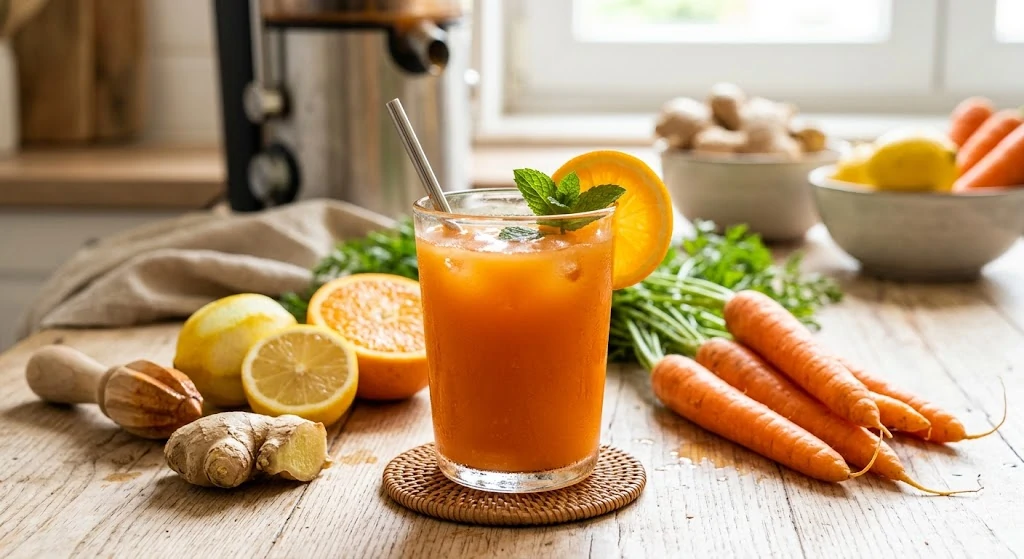
2. Carrot, Orange, Lemon, and Ginger
This bright orange juice combines familiar citrus flavor with the natural sweetness of carrots.
Ingredients
- 2 medium carrots
- 1 peeled orange
- ½ peeled lemon
- 1 small piece of ginger
How to Make It
Wash the carrots and ginger thoroughly. Cut the ingredients into pieces that fit your juicer, then process them one at a time.
Serve the juice cold or pour it over a few ice cubes.
Why This Combination Works
Carrots give the drink a smooth, slightly earthy base. Orange adds sweetness, lemon brings sharper acidity, and ginger prevents the result from tasting like ordinary orange juice.
Orange and lemon also contain vitamin C, which helps support normal immune function. However, one glass cannot prevent illness or provide guaranteed immunity.
Best For
Adults who prefer familiar fruit flavors and want a gradual introduction to vegetable-based juices.
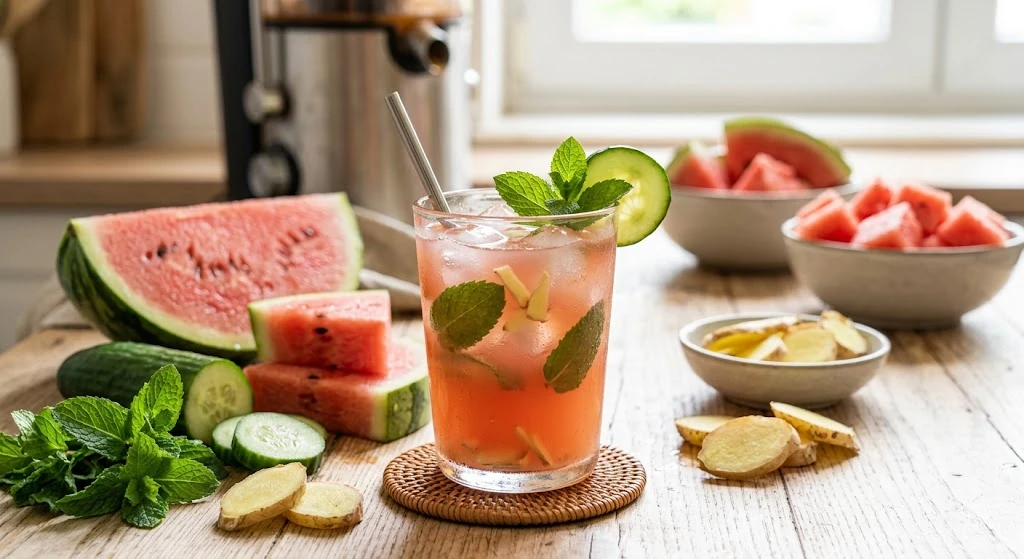
3. Watermelon, Mint, Cucumber, and Ginger
Watermelon and cucumber create a light summer drink with a fresh herbal finish.
Ingredients
- 2 cups seedless watermelon
- ½ cucumber
- 6 fresh mint leaves
- A small slice of ginger
How to Make It
Juice the watermelon and cucumber first. Add the mint and a restrained amount of ginger.
Chill the drink before serving. You can also blend the ingredients and strain them when a juicer is unavailable.
Why This Combination Works
Watermelon brings sweetness and liquid, while cucumber keeps the drink from tasting like concentrated fruit juice. Mint adds a cooling aroma, and ginger provides a mild spicy contrast.
Start with less ginger than you think you need. Watermelon has a soft flavor, so a large ginger piece can quickly take over.
Best For
Hot afternoons, outdoor meals, and anyone who wants a refreshing produce drink alongside regular water.
4. Pineapple, Celery, Green Apple, and Ginger
This tropical combination tastes stronger and sharper than a basic green juice.
Ingredients
- 2 thick pineapple slices
- 1 celery stalk
- ½ green apple
- 1 small piece of ginger
How to Make It
Remove the pineapple skin and apple seeds. Cut everything into smaller pieces, then pass the ingredients through the juicer.
Stir the juice before serving because pineapple foam can collect near the top.
Why This Combination Works
Pineapple supplies tropical sweetness, while celery adds a fresh vegetable note. Green apple contributes acidity, and ginger gives the drink a warmer finish.
The celery is important. Without it, the recipe can taste like ordinary pineapple and apple juice.
Best For
Home cooks who have leftover fresh pineapple and want a drink with more contrast than plain tropical juice.
5. Beetroot, Apple, Carrot, and Lemon
This deep red combination has the strongest earthy flavor among the five recipes shown in the image.
Ingredients
- ½ small beetroot
- 1 apple
- 1 medium carrot
- ½ peeled lemon
How to Make It
Wash and trim the beetroot and carrot. Remove the apple seeds, then juice all the ingredients.
Use only half a beetroot the first time. You can increase the amount later when you know you enjoy the flavor.
Why This Combination Works
Beetroot has a powerful earthy taste. Apple and carrot soften it with natural sweetness, while lemon adds acidity and makes the finish feel lighter.
Beetroot can also stain cutting boards, clothing, and light-colored juicer parts. Prepare it carefully and clean the machine soon after use.
Best For
Adults who enjoy earthy vegetables and want to explore beetroot without drinking it alone.
6. Tomato, Celery, Lime, and Black Pepper
Not every juice needs to taste sweet. This savory combination feels closer to a light, chilled vegetable soup.
Ingredients
- 2 ripe tomatoes
- 1 celery stalk
- ½ lime
- A small pinch of black pepper
How to Make It
Juice the tomatoes, celery, and peeled lime. Stir in a small pinch of black pepper after juicing.
Serve cold. Avoid adding salt before tasting because celery already has a noticeable savory character.
Why This Combination Works
Tomato creates the main body, celery adds a crisp vegetable flavor, and lime provides acidity. Black pepper gives the drink a more complete savory finish.
This is a useful alternative to fruit-heavy juice recipes and an unexpected way to use tomatoes that are becoming too soft for salads.
Best For
Tomato lovers, vegetable gardeners, and brunch hosts looking for a drink that pairs with savory food.
7. Pear, Fennel, and Lemon
This recipe has a soft sweetness followed by a light anise-like aroma.
Ingredients
- 1 ripe pear
- 1 small piece of fennel
- ½ peeled lemon
- A little cold water, if needed
How to Make It
Remove the pear seeds and cut the fennel into smaller pieces. Juice the pear and lemon first, followed by the fennel.
Begin with a small fennel section. Its flavor becomes stronger as more is added.
Why This Combination Works
Pear has a softer and rounder sweetness than green apple. Lemon creates contrast, while fennel adds a botanical note that makes the recipe taste different from standard fruit juice.
Best For
Home cooks who enjoy fennel tea, licorice-like aromas, or herb-focused recipes.
8. Kiwi, Cucumber, Spinach, and Lime
This tart green juice avoids apple, which appears in many common green recipes.
Ingredients
- 2 peeled kiwis
- ½ cucumber
- 1 small handful of spinach
- ½ peeled lime
How to Make It
Juice the cucumber and spinach first. Follow with the kiwi and lime.
When using a blender, add a little cold water and blend until smooth. Keep the pulp for more fiber or strain it for a thinner texture.
Why This Combination Works
Kiwi adds tart fruit flavor without the familiar sweetness of apple. Cucumber provides liquid, spinach adds a mild leafy element, and lime sharpens the finish.
The blended version feels thicker and more filling, while the strained version is lighter.
Best For
Spinach smoothie drinkers who want to compare a pulp-rich blended drink with a thinner juice.
9. Strawberry, Tomato, and Basil
Strawberry and tomato sound like an unusual match, but both work well with fresh basil.
Ingredients
- 1 cup ripe strawberries
- 1 medium tomato
- 3 fresh basil leaves
- A small amount of cold water
How to Make It
Blend all the ingredients until smooth. Strain the mixture when you prefer a lighter drink.
Taste before adding anything else. Ripe strawberries should provide enough sweetness without sugar or syrup.
Why This Combination Works
Strawberry adds fruitiness, tomato creates body, and basil connects the two flavors. The result sits somewhere between a fruit cooler and a savory garden drink.
The quality of the produce matters more in this recipe. Pale strawberries and flavorless tomatoes will create a flat result.
Best For
Gardeners and curious home cooks searching for a creative use for ripe tomatoes and soft strawberries.
10. Mango, Carrot, Lime, and Turmeric
This golden combination is thicker than traditional juice and works best when prepared in a blender.
Ingredients
- ½ ripe mango
- ½ cup fresh carrot juice
- ½ lime
- A small piece of fresh turmeric
- Cold water as needed
How to Make It
Blend the mango, carrot juice, lime, turmeric, and a little cold water until smooth.
Add more water gradually until the drink reaches your preferred thickness.
Why This Combination Works
Mango creates a creamy texture, carrot adds earthy sweetness, and lime keeps the drink from becoming heavy. Turmeric provides color and a distinct earthy note.
Use turmeric carefully. A large quantity can dominate the flavor and stain equipment.
Best For
Anyone who prefers a thicker drink that sits between fresh juice and a smoothie.
The Three-Part Formula for Creating Your Own Juice
You do not need a new recipe every time you open the refrigerator. Use this three-part formula:
1. Choose a Base
Select one water-rich ingredient:
- Cucumber
- Watermelon
- Celery
- Tomato
- Cantaloupe
2. Add a Flavor Builder
Choose a fruit or vegetable that creates sweetness, acidity, or body:
- Apple
- Pear
- Carrot
- Orange
- Pineapple
- Kiwi
- Mango
3. Finish With an Accent
Add a smaller amount of a concentrated ingredient:
- Ginger
- Lemon
- Lime
- Mint
- Basil
- Fennel
- Parsley
- Turmeric
This formula reduces decision fatigue because every ingredient has a purpose. It also prevents the common mistake of adding several sweet fruits and several strong herbs to the same glass.
For example:
Cucumber + apple + ginger creates a crisp green drink.
Watermelon + lime + mint creates a light summer drink.
Tomato + celery + basil creates a savory vegetable drink.
Carrot + mango + lemon creates a thicker golden blend.
How Much Juice Should You Make?
Start with a modest glass rather than preparing a large container. Fresh juice contains less fiber than whole fruit, so it does not provide the same level of fullness. It is also easy to use several pieces of fruit in one serving without noticing how much produce went into the glass.
A smaller portion also makes experimentation less wasteful. Prepare one glass, taste it, and write down any adjustments you want to make next time.
When a recipe is too sweet, add cucumber, celery, lemon, lime, or cold water.
When it tastes too bitter, add a small amount of apple, pear, carrot, or pineapple.
When ginger dominates, increase the watery base rather than adding more fruit.
Can You Drink Fresh Juice Every Day?
Yes, fresh juice can be included in a varied diet, but it should not replace whole fruits, vegetables, water, protein, or complete meals.
A daily glass does not automatically create a healthier routine. What matters is the full eating pattern, the ingredients used, the portion, and whether the juice contains added sugar.
If fiber and fullness are your main goals, eat the produce whole or prepare a smoothie that retains the pulp.
Does Juice Detox the Body?
A homemade drink can provide fluids and nutrients, but words such as “detox,” “glow,” and “immunity boost” should not be treated as guaranteed outcomes.
Vitamin C supports normal immune function, but drinking an orange and lemon juice does not guarantee protection from colds or other illnesses.
Skin condition, digestion, energy, and bloating can be influenced by many factors, including sleep, complete diet, medication, stress, medical conditions, and physical activity. Persistent symptoms deserve proper medical attention rather than a stronger juice recipe.
A good recipe tells you how the drink tastes and how to prepare it. It should not promise to cure a health problem.
Fresh Juice Safety Tips
Wash fruits, vegetables, herbs, and your hands before preparation. Clean the juicer or blender carefully after every use, especially around blades, filters, seals, and pulp containers.
Fresh, unpasteurized juice can contain harmful bacteria. The FDA advises extra caution for young children, pregnant adults, older adults, and people with weakened immune systems.
Prepare only the amount you plan to drink. Refrigerate leftovers promptly in a clean, covered container and discard juice that develops an unusual smell, appearance, or taste.
The Real Secret Is Repeatability
The most useful lesson from colorful juice charts is not that one glass guarantees clear skin, perfect digestion, or unlimited energy. It is that a small group of fruits, vegetables, and herbs can create dozens of combinations when each ingredient has a clear role.
Choose produce for flavor and variety. Keep sweet fruit controlled. Use ginger, mint, basil, fennel, and turmeric as accents rather than main ingredients.
If you are a beginner, choose one three-ingredient recipe and prepare it several times before buying more produce. This helps you understand the ratios you enjoy and reduces food waste.
If you need a complete breakfast, pair a small juice with a balanced meal or choose a smoothie that keeps the pulp.
The best juice is not the one with the biggest promise. It is the one you enjoy, prepare safely, and fit into a balanced routine.