
There is a quiet moment at the beginning of a weight loss journey where you realize that willpower alone has let you down too many times. You have tried the strict diets, the punishing workout plans, the endless counting. Yet here you are, feeling tired and perhaps a little disconnected from your own body. The shift happens when you stop trying to control every outcome and start leaning into something bigger than yourself. A weight loss journey rooted in faith is not about chasing a perfect number on the scale. It is about handing over the burden of perfection and walking forward with trust.
Why a Faith-Centered Weight Loss Journey Matters
Traditional approaches to losing weight often focus on restriction, guilt, and white-knuckling through cravings. That route can leave you feeling depleted, both emotionally and spiritually. When you invite a practice of surrender into the process, you replace shame with grace. You are not just reshaping your body; you are reshaping how you respond to stress, disappointment, and slow progress.
Letting God take over does not mean you sit back and do nothing. It means you stop obsessing over the mirror and start caring for the temple you were given. The motivation shifts from “I hate how I look” to “I am grateful for this body and want to honor it.” This internal pivot makes the day-to-day choices feel less like punishment and more like an act of worship and self-respect. It creates a sustainable foundation that crash diets simply cannot offer.
The Battle Is Bigger Than the Plate
Many people start a weight loss journey thinking the problem is simply the food on their fork. They are surprised to find that the real struggle happens in the quiet corners of the heart. Anxiety, loneliness, boredom, and past hurts often drive the hand to the pantry. Food can become a numbing agent rather than a source of nourishment.
Approaching health from a spiritual perspective helps unmask these hidden drivers. Prayer and quiet reflection can reveal the emotional triggers that lead to overeating. Instead of just cutting carbs, you begin to cut the roots of the behavior. When you feel the urge to binge, you can pause and ask for strength, not just distraction. This is how deep, lasting transformation takes root. The weight begins to lift in more places than one.
Nourishing the Body Without Obsessing
A faith-based health journey usually steers clear of extreme measures. It is difficult to be present in your life and serving others if you are starving or exhausted from overtraining. The goal is gentle stewardship, not obsessive management. You can enjoy whole, vibrant foods without turning every meal into a math equation.
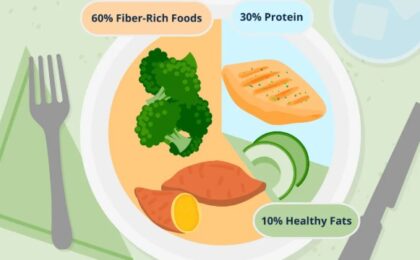
Think of adding color and life rather than taking things away. Crisp greens, juicy fruits, hearty whole grains, and clean water become gifts you accept willingly. You can still share a meal with friends or enjoy a piece of cake at a celebration without spiraling into guilt. The anxiety lifts when you trust that one meal does not define your entire weight loss journey. Balance becomes a practice of listening to your body’s hunger and fullness cues, trusting that you are guided in those small decisions.
Moving Your Body as an Act of Joy
When exercise is tied only to burning off calories, it feels like a chore. It is hard to stick with movement you hate. Reframing physical activity as a celebration of what your body can do changes everything. A walk in the fresh air becomes a chance to pray, to breathe deeply, and to clear a cluttered mind.
Your body was designed to move. Whether it is dancing in the kitchen, stretching on the living room floor, or lifting heavy things at the gym, movement can be a stress reliever rather than a source of stress. On days when you feel weak, asking for supernatural strength to just show up can make the difference. The goal is not to punish yourself for what you ate yesterday. The goal is to feel alive today. Over time, this joyful, low-pressure approach builds consistency, which is the quiet engine of any successful weight loss journey.
Practical Steps to Surrender and Succeed
Making this shift requires changing a few daily habits, not just your mindset. Small, intentional actions add a structure that supports your spiritual and physical health without feeling like a rigid cage. Here are some practical steps that often help people align their health goals with their faith:
- Start the day with stillness: Before you reach for coffee or your phone, spend five minutes in silence, reading scripture, or praying. Set your intention for peaceful choices.
- Hydrate with gratitude: Drink a full glass of water in the morning and before each meal. Use this simple act as a reminder to be thankful for a functioning body.
- Plan one nourishing meal: You do not need a complex meal plan. Simply decide what your healthiest meal of the day will be and put a little extra love into preparing it.
- Take a prayer walk: When stress hits, lace up your shoes and walk for ten minutes. Pour out your worries while you move your legs.
- Replace negative self-talk immediately: When a critical thought about your body pops up, counter it with a statement of gratitude. “I hate my arms” can be replaced with “I am grateful I can hug the people I love with these arms.”
Building a Supportive Environment
The people you surround yourself with have a profound impact on your weight loss journey. If your inner circle constantly pushes indulgence or mocks your desire to eat healthy, the road gets much harder. It is wise to find a community that shares your values, whether that is a small group at a place of worship, a walking club, or a trusted accountability partner.
Your physical environment needs support too. A cluttered, chaotic home often mirrors internal turmoil and can trigger stress eating. Simplifying your space and keeping nourishing snacks visible can be a form of self-care. If you keep the pantry stocked with options that make you feel vibrant, you are setting yourself up for success. You are creating an environment where the easiest choice is also the healthiest choice, reducing the need for constant, draining resistance.
Embracing the Waiting Season
Perhaps the hardest part of losing weight is the slow middle. The initial excitement fades, the scale stops moving, and the world offers a quick fix. This is the season where many give up. This is exactly the moment where letting go and relying on faith provides a firm foundation. A plateau can be a time of refinement, teaching you patience and showing you that your worth was never tied to a downward-sloping graph line.
During a plateau, your body is often adjusting, resting, and protecting you. It is a chance to ask, “What am I meant to learn here?” instead of “What am I doing wrong?” You learn to celebrate non-scale victories: better sleep, a looser waistband, more energy to play with your kids, or a calmer spirit. These milestones are the true evidence of health. They do not shout as loudly as a scale drop, but they indicate a deeper, longer-lasting change.
Frequently Asked Questions
Does letting God take over mean I don’t need to track food or exercise?
Spiritual surrender is not an excuse for taking no practical action. It simply shifts your reliance. You might still track food to build awareness, but you do so without an obsessive, punishing mindset. You do the practical work while releasing the emotional burden and the tight grip on the outcome. It is a partnership where you show up, do your part, and leave the results in bigger hands.
How do I avoid the trap of emotional eating when I feel stressed?
Create a buffer between the feeling and the food. When you recognize that you are not physically hungry but emotionally triggered, pause for just two minutes. In that short window, step outside, breathe deeply, or say a short prayer for comfort. Often, the craving will pass if you interrupt the thought pattern. If you still choose to eat, do it slowly and without guilt, treating it as a conscious choice rather than a panicked reaction.
Is it okay to want to look better, or is that vanity?
It is perfectly natural to want to feel confident and comfortable in your skin. The desire to look healthy is not inherently vain. The line is crossed when your appearance becomes your only source of identity or when you pursue unrealistic perfection. Honoring your body includes wanting to look as vibrant and alive as you can. Just check your heart regularly to ensure that loving yourself doesn’t turn into worshipping an image.
What if I keep failing and gaining the weight back?
Repeated cycles of losing and gaining can leave you feeling hopeless. In a faith-driven context, failure is not final. Each attempt is a new opportunity for grace. Look back at what was too harsh or unsustainable in your previous attempts. A gentle, patient approach guided by spiritual strength rather than aesthetics is the most likely to break the cycle. Forgive yourself for the past, learn the lesson, and begin again with a lighter heart.
This path you are on is about so much more than losing inches. It is a returning to yourself, a peeling away of the layers of control and self-criticism that have weighed you down. As you continue your weight loss journey, rest in the knowledge that you do not have to strive and claw your way to health. You can simply step forward, one gentle choice at a time, trusting that you are held in the process. The peace you cultivate along the way is the truest measure of your success.