Table of Contents
- What Causes Female Hair Thinning?
- How to Find Out Why Your Hair Is Thinning
- Science-Backed Treatments for Female Hair Thinning
- Can Nutrition Help Thinning Hair Grow Back?
- Everyday Hair Care That Helps Protect Thinning Hair
- A Realistic Hair Recovery Timeline
- Common Mistakes That Can Delay Progress
- Frequently Asked Questions
- The Best First Step for Healthier Hair
- Medical References
Hair Health & Wellness
Female hair thinning can often be treated, but the right treatment depends on why your hair is thinning. Minoxidil has strong evidence for female-pattern hair loss, while shedding caused by illness, stress, or low iron may need a different approach.
Noticing a wider part, a thinner ponytail, or more hair in the shower can be upsetting. The good news is that many causes of hair loss can be managed, and some are temporary. The key is finding the cause before spending money on products that may not help.
What you should know
- Female-pattern hair loss is common and usually develops gradually.
- Topical minoxidil is a well-studied treatment for this type of thinning.
- Results from hair growth treatments usually take months, not weeks.
- Blood tests can help when a doctor suspects an iron, thyroid, or other medical problem.
- No treatment guarantees complete or permanent regrowth.
What Causes Female Hair Thinning?
Hair thinning is a symptom, not a single condition. Two women can have similar-looking hair loss for completely different reasons. That matters because a treatment that helps one person may do very little for another.
1. Female-pattern hair loss
Female-pattern hair loss, also called female-pattern androgenetic alopecia, is a common cause of gradual thinning. Hair follicles slowly produce finer, shorter strands, making the scalp more visible.
You may notice a widening part or reduced thickness over the top of your head. The front hairline often remains relatively intact, although patterns vary.
Genetics play an important role, and the condition becomes more common with age. It can also begin before menopause. Without treatment, it may continue to progress.
2. Stress, illness, and postpartum shedding
A condition called telogen effluvium can cause more hairs than usual to enter the shedding phase. It often appears a few months after a trigger such as childbirth, major illness, surgery, a period of intense stress, or significant weight loss.
Unlike female-pattern hair loss, this often causes more general shedding across the scalp. Many people regain fullness after the trigger resolves, although recovery can take several months.
3. Iron deficiency and thyroid problems
Low iron stores, anemia, and thyroid conditions may contribute to hair shedding. Poor nutrition or restrictive dieting can also affect hair growth.
These problems cannot be confirmed by looking at your hair alone. A healthcare professional may recommend blood tests based on your symptoms, diet, health history, and examination.
4. Hormonal changes
Hormonal changes around menopause, after pregnancy, or after stopping certain birth control methods may affect hair density. Polycystic ovary syndrome (PCOS) can also be associated with scalp thinning.
Hair loss accompanied by irregular periods, new facial hair growth, or persistent acne is worth discussing with a healthcare professional.
5. Hair damage and traction
Tight ponytails, extensions, braids that pull at the roots, and repeated chemical or heat treatments can lead to breakage or traction alopecia.
Early changes may improve when the pulling stops. Long-standing damage to hair follicles, however, can become permanent.
How to Find Out Why Your Hair Is Thinning
A dermatologist can examine your scalp, look at the pattern of thinning, review your medical history, and decide whether additional testing is needed.
Before your appointment, consider these questions:
- Did the thinning begin suddenly or gradually?
- Are you shedding full-length hairs or noticing shorter broken strands?
- Is your hair part widening, or is thinning spread across your scalp?
- Did you experience an illness, pregnancy, medication change, or major stress in the previous few months?
- Do you have itching, burning, tenderness, redness, or flaky patches?
Depending on the findings, your clinician may check a complete blood count, ferritin or iron status, thyroid function, or other tests. Not everyone needs a large hormone panel or scalp biopsy.
When to get checked promptly: Seek medical evaluation for sudden or patchy hair loss, scalp pain, marked redness, pustules, scarring, or rapidly worsening thinning. Some inflammatory scalp conditions can permanently damage follicles if treatment is delayed.
Science-Backed Treatments for Female Hair Thinning
There is no one-size-fits-all treatment. For confirmed female-pattern hair loss, the options below have different levels of evidence, cost, and medical supervision.
| Treatment | Evidence and use | Main consideration |
|---|---|---|
| Topical minoxidil | Well-established for female-pattern loss | Ongoing use is needed |
| Spironolactone | Prescription option for selected women | Medical monitoring and pregnancy precautions |
| Oral minoxidil | Growing evidence; off-label for hair loss | Prescription and cardiovascular assessment |
| Low-level light therapy | Some supportive clinical evidence | Device quality, cost, and consistency vary |
| Platelet-rich plasma | Promising but variable results | Multiple procedures and expense |
| Deficiency treatment | Useful when a relevant deficiency exists | Not a general hair-growth shortcut |
Topical minoxidil: A first-line treatment
Minoxidil is one of the best-studied treatments for female-pattern hair loss. It can help maintain existing hair and encourage some follicles to produce thicker strands.
Women’s products are available in approved 2% and 5% formulations. Common labeled regimens include 2% solution twice daily or 5% foam once daily. Follow the directions for the specific product and seek medical advice if you are unsure whether the treatment is appropriate.
Minoxidil is applied to the scalp, not the hair strands. Using more than recommended will not make hair grow faster and may increase side effects.
Some women notice additional shedding during the first several weeks. Other possible effects include scalp dryness, itching, irritation, and unwanted facial hair growth.
It usually takes about six to twelve months to judge the full response. If minoxidil works, continued use is generally needed to maintain the benefit.
Important: Avoid minoxidil if you are pregnant, planning pregnancy, or breastfeeding. Ask a healthcare professional before starting if you have other medical concerns.
Spironolactone: A prescription option
Spironolactone is sometimes prescribed for women with female-pattern hair loss, particularly when androgen-related effects may be contributing.
It can help reduce further thinning in selected patients, but it is not appropriate for everyone. Your clinician may review kidney function, potassium levels, medications, and blood pressure before or during treatment.
Spironolactone must not be used during pregnancy because of potential fetal harm. A clinician should discuss reliable pregnancy prevention when relevant.
Low-dose oral minoxidil
Some dermatologists prescribe low-dose oral minoxidil when topical treatment is poorly tolerated, inconvenient, or insufficient.
Oral minoxidil for hair loss is an off-label treatment in the United States. Unlike over-the-counter topical products, it requires an individualized medical decision.
Possible side effects include unwanted body hair, fluid retention, dizziness, changes in blood pressure, and a faster heartbeat. Serious cardiovascular complications are uncommon but possible.
Do not start oral minoxidil using an online dosing recommendation. Your clinician should decide whether it is suitable and what monitoring is needed.
Low-level light therapy
Low-level light devices, including certain laser caps and combs, may improve hair density in some people with pattern hair loss.
Research is encouraging, but results vary by device and treatment schedule. These products can also be expensive.
Look for devices intended for hair loss with appropriate FDA clearance, while remembering that clearance does not guarantee a personal result. Light therapy is generally considered an additional option rather than a replacement for diagnosis or proven first-line treatment.
Platelet-rich plasma (PRP)
PRP involves drawing a small amount of blood, processing it to concentrate platelets, and injecting the preparation into areas of thinning.
Some clinical studies show improved hair density, but research protocols vary. There is no single treatment schedule that works for everyone, and maintenance sessions may be needed.
Because PRP can be costly and results are uncertain, discuss expected benefits, risks, and alternatives with a qualified dermatologist before booking treatment.
Hair transplantation
For selected women with stable patterned thinning and enough healthy donor hair, transplantation may be an option.
It is not suitable for every kind of hair loss. Diffuse thinning, active inflammatory scalp disease, and limited donor density can affect eligibility. The underlying hair-loss condition may still require treatment after surgery.
Can Nutrition Help Thinning Hair Grow Back?
Your hair follicles need adequate nutrition to function normally. Too little protein, iron, or certain other nutrients can contribute to shedding, especially during restrictive dieting or rapid weight loss.
But taking extra vitamins will not necessarily make hair grow faster when your levels are already normal.
What to focus on
- Protein: Include suitable sources such as eggs, fish, yogurt, beans, tofu, or lean meat.
- Iron: Foods such as lentils, beans, lean meat, and iron-fortified grains can help meet dietary needs.
- Vitamin D and zinc: These matter for general health, but supplements should be considered based on individual needs.
- Enough calories: Very restrictive diets can trigger shedding even when marketed as healthy.
Biotin is frequently promoted for hair growth, but convincing evidence of benefit in people without a deficiency is limited. High-dose biotin can also interfere with certain laboratory test results.
Iron and other supplements can cause harm when taken unnecessarily. Ask a clinician about testing before beginning high-dose products.
Everyday Hair Care That Helps Protect Thinning Hair
A good hair routine cannot correct genetic hair loss on its own. It can, however, protect fragile strands from unnecessary damage and make your existing hair easier to manage.
- Wash your scalp as needed. Choose a gentle shampoo that suits your scalp. Avoid leaving the scalp unwashed solely because you fear seeing shed hairs.
- Condition your hair. Apply conditioner mainly through the lengths to reduce friction, dryness, and breakage.
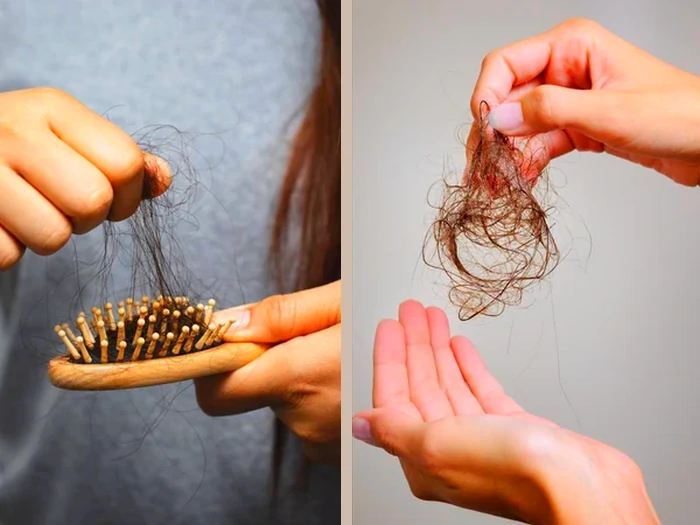
- Detangle carefully. Use a wide-tooth comb or suitable detangling brush. For tightly curled hair, detangling while damp and conditioned can be gentler.
- Reduce heat damage. Lower the temperature of styling tools and avoid repeated passes over the same strands.
- Loosen tight hairstyles. Braids, extensions, ponytails, and buns should not cause pulling or pain.
- Be cautious with chemical treatments. Frequent relaxing, bleaching, or coloring can weaken strands, especially when hair is already fragile.
What about rosemary oil, castor oil, and hair-growth shampoos?
Rosemary oil is popular online, but evidence is far more limited than for minoxidil. Essential oils can also irritate the skin or trigger contact allergies.
Castor oil may make hair feel coated or conditioned, but there is no strong clinical evidence that it reverses female-pattern hair loss.
Volumizing shampoos and conditioners can make hair look fuller by improving the appearance of individual strands. That is a cosmetic benefit, not the same thing as increasing the number of growing follicles.
Be especially cautious of products promising complete regrowth in a few days or permanent results after a short course.
A Realistic Hair Recovery Timeline
Hair growth is slow. Even an effective treatment may not produce obvious changes for several months. The timeline below describes practical checkpoints, not guaranteed milestones.
| Time | What to focus on |
|---|---|
| First month | Confirm the diagnosis, begin the agreed plan, and take baseline photographs. |
| Months 2–3 | Review tolerability and consistency. Some treatments may cause temporary shedding. |
| Months 3–6 | Look for changes in shedding or coverage, while recognizing that visible improvement varies. |
| Months 6–12 | Assess response with your clinician and decide whether to continue, adjust, or investigate further. |
Temporary shedding after a triggering event may recover on a different schedule. If you have female-pattern hair loss, maintenance treatment is often needed for as long as you want to preserve the benefit.
How to track progress without guessing
Photographs are usually more useful than counting every strand in the shower. Try taking pictures once a month with the same lighting, hairstyle, camera angle, and part placement.
Focus on your central part and crown if those are the areas affected. Avoid checking the mirror several times a day, since small day-to-day changes are rarely meaningful.
Common Mistakes That Can Delay Progress
- Assuming all thinning is genetic. A treatable medical problem or scalp condition may be responsible.
- Switching treatments too quickly. Hair growth usually requires months of consistent care.
- Taking multiple supplements without testing. More nutrients do not always mean healthier hair.
- Ignoring scalp symptoms. Pain, inflammation, and scarring require professional evaluation.
- Expecting shampoo to regrow lost hair. Cosmetic volume and follicle regrowth are different outcomes.
Frequently Asked Questions
Can female thinning hair become thick again?
Sometimes. Temporary shedding may improve once the trigger resolves. Female-pattern hair loss can often be slowed, and some women experience thicker growth with treatment. Complete restoration is not guaranteed.
What is the most proven treatment for female-pattern hair loss?
Topical minoxidil is a well-established first-line treatment. A dermatologist may recommend other medications or procedures depending on your diagnosis and medical history.
Does menopause cause permanent hair thinning?
Hormonal changes around menopause can be associated with pattern thinning, but not every woman experiences it. Treatment can sometimes slow progression and improve density.
Does cutting your hair short help it grow back?
A haircut does not change the activity of hair follicles. Shorter styles may make hair appear fuller or reduce tangling and breakage, but they do not treat the cause of thinning.
Can stress-related hair loss recover naturally?
Many cases of telogen effluvium improve after the trigger ends. If shedding continues, worsens, or occurs with other symptoms, a clinician can check for additional causes.
What happens if I stop using minoxidil?
When minoxidil is helping manage female-pattern hair loss, stopping it generally means losing the treatment-related benefit over time. Discuss any decision to stop with your clinician.
The Best First Step for Healthier Hair
Start with the cause, not the most expensive bottle on the shelf. A clear diagnosis can save months of trial and error and help you choose between medical treatment, correcting a deficiency, or simply allowing temporary shedding to recover.
For female-pattern hair loss, early and consistent treatment offers a better chance of preserving existing density. Progress may be slow, but a realistic plan is more useful than any promise of instant regrowth.
Medical References
These references provide background on diagnosis, treatment, and safety. This article is educational and does not replace personalized medical advice.
- American Academy of Dermatology — Female-Pattern Hair Loss
- American Academy of Dermatology — Hair Loss Diagnosis and Treatment
- American Academy of Dermatology — Hair Shedding vs. Hair Loss
- New England Journal of Medicine — Hair Loss in Women (2025)
- JAMA Dermatology — Low-Dose Oral Minoxidil Consensus (2025)