Table of Contents
- Why You’ll Love This Restaurant Copycat Salmon
- What You’ll Need for Texas Roadhouse Style Salmon
- Step-by-Step Instructions for Perfectly Glazed Salmon
- Tips for Getting That Caramelized Finish Every Time
- Serving Suggestions for a Complete Meal
- Why This Recipe Works for Weeknight Dinners and Meal Prep
- Frequently Asked Questions
- Can I use frozen salmon for this Texas Roadhouse salmon recipe?
- What is the best way to know when the salmon is cooked through?
- Can I make this dish on an outdoor grill instead of a skillet?
- How should I store and reheat leftover salmon?
- Bring Restaurant Flavor to Your Own Table
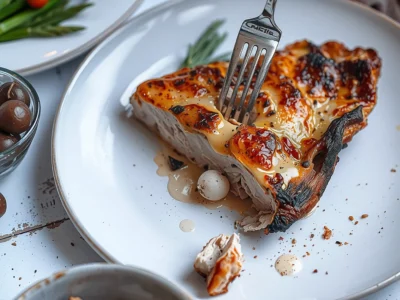
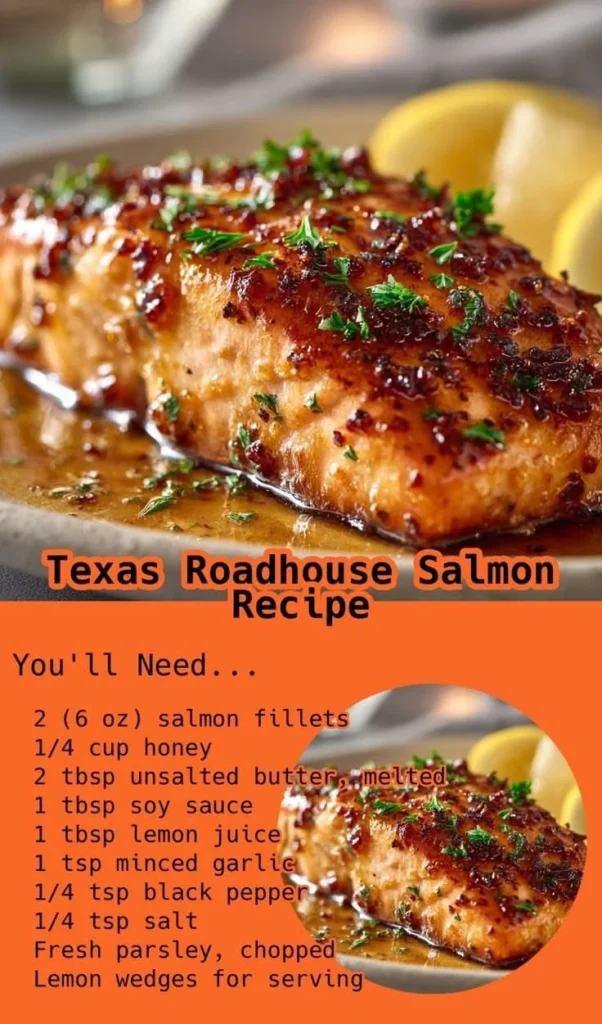
If you’ve ever ordered the salmon at Texas Roadhouse and wished you could enjoy that same buttery, sweet, and savory magic in your own kitchen, you’re in the right place. This Texas Roadhouse salmon recipe captures everything wonderful about the restaurant version: a tender fillet with a glossy honey garlic butter glaze that caramelizes into a golden-brown crust. With only a handful of pantry staples and about 20 minutes of your time, you can serve a high-protein dinner that feels special without any complicated techniques or hard-to-find ingredients. Whether planning a quick weeknight meal for the family or looking for something impressive yet effortless when guests come over, this dish delivers consistently delicious results that rival dining out.
Why You’ll Love This Restaurant Copycat Salmon
There is something deeply satisfying about recreating a restaurant favorite at home. You control the quality of every ingredient, adjust flavors to suit your personal preference, and save significantly compared to ordering takeout or eating on site. This particular honey garlic butter salmon balances richness from butter with sweetness from honey and a savory depth from soy sauce, creating layers of flavor that develop in minutes. The exterior turns beautifully caramelized while the inside stays moist and flaky, exactly the texture contrast that makes the original so memorable.
Beyond the taste, this recipe solves a common home cooking problem: how to get a truly delicious salmon dinner on the table fast. Nothing here requires marinating for hours or pulling out specialty equipment. A reliable skillet and simple utensils are all you need. The ingredient list stays approachable, and every component serves a clear purpose in building that final mouthwatering result. Once you realize how straightforward the process is, this dish may become a permanent feature in your regular meal rotation.
What You’ll Need for Texas Roadhouse Style Salmon
The ingredient list draws directly from the classic flavors associated with this beloved restaurant dish. Each item contributes to the signature sweet-savory glaze and beautifully finished plate. Gather everything before you start cooking because the process moves quickly once the pan heats up.
- 2 salmon fillets (about 6 ounces each)
- 1/4 cup honey
- 2 tablespoons unsalted butter
- 1 tablespoon soy sauce
- 1 tablespoon fresh lemon juice
- 1 tablespoon minced garlic
- 1/4 teaspoon black pepper
- 1/4 teaspoon salt
- Fresh parsley, chopped, for garnish
- Lemon wedges, for serving
Step-by-Step Instructions for Perfectly Glazed Salmon
Working methodically through each stage ensures your fillets turn out with that desirable caramelized exterior and tender, flaky interior. Pay attention to your heat level since honey can burn if the temperature runs too high for too long. The goal is a rich amber glaze, not a scorched surface.
- Prepare the salmon. Pat each fillet completely dry with paper towels. Removing surface moisture helps achieve a better sear. Season both sides evenly with the salt and black pepper.
- Make the honey garlic butter sauce. In a small bowl, whisk together the honey, soy sauce, lemon juice, and minced garlic until well combined. Set the mixture nearby so it’s ready when the pan is hot.
- Heat the skillet. Place a large non-stick or well-seasoned skillet over medium-high heat. Add the unsalted butter and let it melt completely, swirling the pan so the butter coats the cooking surface evenly without browning too quickly.
- Sear the fillets. Carefully lay the seasoned salmon fillets in the hot skillet, skin side down if your fillets have skin. Let them cook undisturbed for about 3 to 4 minutes until the bottom develops a deep golden-brown color.
- Add the glaze. Pour the honey garlic mixture into the skillet around the salmon, not directly on top. Allow the sauce to bubble gently and begin thickening while the fish continues cooking.
- Baste and finish cooking. Using a spoon, baste the salmon repeatedly with the pan sauce for another 3 to 4 minutes. The glaze will reduce, cling to the fillets, and form that signature caramelized coating. The salmon is done when it flakes easily with a fork and reaches an internal temperature of 145°F.
- Rest and serve. Transfer the fillets to serving plates and spoon any remaining glaze from the pan over the top. Sprinkle with fresh parsley and add lemon wedges alongside.
Tips for Getting That Caramelized Finish Every Time
The signature glossy, deep amber exterior on Texas Roadhouse salmon comes from proper heat management and the sugar content in honey interacting with savory ingredients. A few small adjustments can make the difference between a good result and a genuinely restaurant-worthy plate. Start with room-temperature fillets rather than cold ones straight from the refrigerator; cold protein hitting a hot pan seizes up unevenly and can lead to overcooked edges with an underdone center. Let the salmon sit on the counter for about 10 to 15 minutes before you begin cooking.
Resist the urge to move the fillets around the pan during the initial sear. That hands-off time allows the surface to develop a proper crust that releases naturally when ready to flip or serve. If you try to lift the salmon too early, you risk tearing the delicate flesh. The honey in the glaze attracts and concentrates heat, so adjust your burner down slightly after adding the sauce to prevent burning. Medium heat works better than high at this stage, letting the sauce reduce gradually while the fish finishes cooking through.
Your choice of skillet matters here. Non-stick surfaces make cleanup easier and provide a forgiving cooking experience, particularly helpful if you’re newer to cooking fish. However, a well-maintained cast iron or stainless steel pan delivers superior caramelization because those surfaces retain and distribute heat in a way that promotes browning. Whatever pan you choose, make sure it is large enough to hold both fillets without crowding. Overlapping pieces or spacing that leaves no room around each fillet traps steam instead of encouraging the dry heat that creates that coveted golden crust.
Serving Suggestions for a Complete Meal
At the restaurant, this salmon often arrives alongside hearty, comforting sides that round out the plate beautifully. At home, you can replicate that experience or mix things up depending on what sounds good that evening. Classic pairings include a loaded baked potato, steamed broccoli with a pat of butter, or a crisp house salad with ranch dressing. Those familiar accompaniments turn the main dish into a satisfying full dinner that feels indulgent yet balanced.
For lighter alternatives that still complement the rich honey garlic butter flavors, consider roasted asparagus spears finished with a squeeze of lemon, a simple quinoa pilaf studded with herbs, or garlic-sautéed green beans. The brightness from fresh vegetables cuts through the glaze’s sweetness and refreshes the palate between bites. If you want to lean into meal prep, portion the cooked salmon over mixed greens or grain bowls for lunches that hold up well in the refrigerator. The glaze stays flavorful even when chilled, making leftovers something to genuinely look forward to.
Why This Recipe Works for Weeknight Dinners and Meal Prep
Weeknight cooking demands efficiency without sacrificing the enjoyment of a really good meal. This salmon recipe meets that need by clustering all the active work into a single skillet and a short window of time. The ingredients themselves are shelf-stable or long-lasting refrigerator staples for many households, meaning you can keep them on hand and pull this dinner together without a special grocery trip. Honey, soy sauce, butter, garlic, and lemons count among the most versatile building blocks in a home kitchen.
From a nutritional standpoint, salmon delivers substantial protein along with omega-3 fatty acids, making it a smart choice for anyone prioritizing high-protein meals. The glaze relies on real ingredients rather than bottled sauces loaded with additives or excess sodium. You can easily double the recipe for a larger family or batch-cook extra fillets for tomorrow’s lunch. Reheating gently in a low oven or enjoying the salmon cold over a salad preserves the texture and flavor remarkably well. This adaptability is part of what makes the dish so valuable in a practical home cooking repertoire.
Frequently Asked Questions
Can I use frozen salmon for this Texas Roadhouse salmon recipe?
Yes, frozen salmon works well as long as you thaw it completely first. Place frozen fillets in the refrigerator overnight or submerge sealed fillets in cold water for about 30 minutes. Pat the thawed fish thoroughly dry before seasoning and cooking. Excess moisture from improper thawing prevents proper searing and dilutes the glaze.
What is the best way to know when the salmon is cooked through?
The most reliable method uses an instant-read thermometer inserted into the thickest part of the fillet; 145°F indicates doneness. Visually, the flesh turns from translucent to opaque and flakes easily when gently pressed with a fork. The honey glaze will also thicken and darken noticeably as the salmon finishes cooking.
Can I make this dish on an outdoor grill instead of a skillet?
Absolutely. Prepare the glaze as directed and grill the seasoned fillets over medium heat on a well-oiled grate. Brush the honey garlic butter sauce on during the last few minutes of cooking, turning frequently to build layers without burning. Use a grill basket or foil with holes poked through if you’re concerned about the fish sticking or falling apart.
How should I store and reheat leftover salmon?
Place cooled leftovers in an airtight container and refrigerate for up to three days. Reheat gently in a skillet over low heat with a splash of water or extra lemon juice to refresh the glaze, or warm in a 275°F oven until just heated through. Avoid microwaving at high power, which can dry out the fish and make the texture rubbery.
Bring Restaurant Flavor to Your Own Table
Mastering this Texas Roadhouse salmon recipe gives you a reliable, crowd-pleasing dish that fits seamlessly into busy schedules and special occasions alike. The combination of honey, garlic, butter, and soy sauce creates a glaze that feels far more complex than its simple ingredient list suggests, while the quick cooking time keeps dinner stress-free. Serve it with your favorite sides, pour a glass of something refreshing, and enjoy the satisfaction of a restaurant-quality meal made entirely on your own terms. Once you see how easy it is to achieve that perfect caramelized finish and tender flaky interior, ordering salmon out may lose a bit of its appeal.