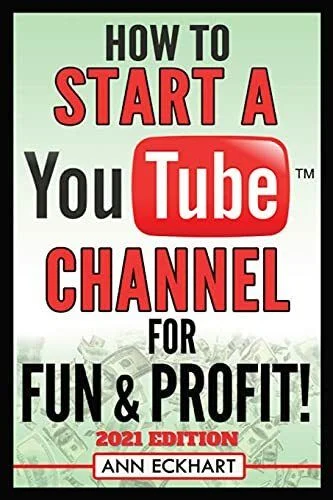
Yes, you can start a channel for fun and profit, but the book by Ann Eckhart treats it like a small business, not a hobby. You need a camera, a plan, and the patience to edit hours of footage into something watchable. The 2021 edition focuses heavily on the mechanics of filming and the specific steps to upload and promote videos for maximum income.
Think of the process like setting up a home workshop. You don’t just buy a drill and start drilling; you need a blueprint. Eckhart’s guide walks you through that blueprint. It covers the technical side—lighting, audio, and camera settings—but it also forces you to think about the “why” before you hit record. If you skip the planning, your videos will look like a messy garage sale: cluttered, confusing, and hard to sell.
What does the filming actually cost?
The book suggests you don’t need a cinema-grade camera to start. In fact, the best equipment is often the one you already own. A smartphone from the last three years can shoot 4K video that looks sharp on a 20-inch laptop screen. The real cost isn’t the hardware; it’s the time you spend setting it up.
Lighting is where most beginners fail. Natural light is free and looks best, but it’s unreliable. If you film in a room with a window, position your subject so the light hits their face, not their back. A cheap reflector made from white foam board can bounce that light back to fill in shadows under the eyes. This costs almost nothing but changes the look from “amateur” to “professional” instantly.
Audio is the other silent killer. Viewers will forgive grainy video, but they will click away immediately if the audio crackles or sounds like you’re underwater. You don’t need a $500 microphone. A $20 lapel mic that plugs into your phone works wonders. It isolates your voice from the hum of the refrigerator or the traffic outside. The book emphasizes this trade-off: spend your money on sound first, then on visuals.
How to adapt the advice to your space
Not everyone has a dedicated studio. Maybe you’re working out of a bedroom, a corner of the living room, or a small apartment. The principles in Eckhart’s guide apply everywhere, but the execution changes based on your square footage.
If you have a small room, use vertical space. Mount your camera on a high shelf or a tall tripod to get a wider angle without needing to step back. This makes the room feel larger. If you have a large, empty room, you might need to create “zones.” Use a rug, a bookshelf, or a plant to break up the negative space behind you. This adds depth and keeps the viewer’s eye focused on you, not the blank wall.
Climate matters too. If you live in a humid area, condensation can fog up your lens. Wipe it down before every take. If you’re in a hot climate, keep your gear in the shade to prevent overheating. The book mentions these practical details because they are the difference between a finished video and a ruined SD card.
For those looking to monetize, the guide breaks down the upload process. It’s not just about hitting “publish.” You need to optimize your titles, descriptions, and thumbnails. This is where the “profit” part of the title comes in. A great video with a bad title gets zero views. A decent video with a compelling title and a clear thumbnail gets clicks. Treat your thumbnail like a poster for a movie; it has to sell the story in a single second.
Sometimes you need to step away from the screen to see the big picture. If you’re feeling overwhelmed by the technical details, take a break. You can find inspiration in other areas, like how light interacts with dark backgrounds to understand contrast, or look into personality tips to refine how you present yourself on camera.
The promotion phase is where many people give up. The book outlines a strategy for sharing your content across social media, but it warns against spamming. Share your video where your audience actually hangs out. If you’re making cooking videos, don’t just post on a tech forum. Go to food groups. The algorithm rewards engagement, not just views. If people comment, reply. If they share, thank them. This builds a community, which is the real currency of YouTube.
There is a learning curve. You will make mistakes. Your first ten videos might be terrible. That’s normal. The key is to treat each video as a lesson. Watch your own footage and critique it. Is the audio clear? Is the lighting even? Is the intro too long? Cut the fluff. Get to the point. Viewers have short attention spans. Give them value quickly, or they will scroll past.
For those wondering about the financial side, the book is realistic. It doesn’t promise overnight riches. It explains that income comes from ad revenue, sponsorships, and affiliate links. You need a significant number of subscribers and watch hours before the ads start paying. Until then, focus on building a loyal audience. They will support you through other means.
If you are looking for alternative ways to earn extra income while building your channel, consider exploring easy ways to earn extra income using your phone. This can help fund your equipment upgrades without draining your savings.
Ultimately, the book is a roadmap. It gives you the steps, but you have to walk the path. The “profit” comes from consistency and quality. The “fun” comes from the creative process. If you enjoy making the videos, that energy will show in the final product. If you’re just doing it for the money, the audience will sense it, and they won’t stay.
Start small. Pick a topic you know well. Film one video. Edit it. Upload it. Repeat. The process is simple, but it requires discipline. The book provides the structure; you provide the effort. That’s the only secret to starting a successful channel.
Is the 2021 edition still relevant?
YouTube changes fast. New features roll out every month. Algorithms shift. Does the 2021 edition still hold up? Yes, for the fundamentals. Filming, lighting, and audio haven’t changed much. The core principles of storytelling and audience engagement are timeless. However, you will need to supplement the book with current YouTube Studio updates. Check the official YouTube blog for the latest on Shorts, community tabs, and monetization thresholds.
The book’s strength is its step-by-step approach. It doesn’t assume you know what a “key light” or “frame rate” is. It explains these terms clearly. This makes it a great resource for someone who has never touched a camera before. It demystifies the technology and puts the focus back on the content.
What if I don’t have a lot of money?
You don’t need a big budget. Use what you have. A white sheet can be a backdrop. A lamp can be a light source. A friend can be your editor. The book encourages resourcefulness. It teaches you to see potential in everyday objects. This mindset is more valuable than any expensive gear.
How long does it take to see results?
Be patient. It can take months to build a steady audience. Don’t get discouraged by low view counts. Focus on improving each video. Over time, the quality will rise, and the views will follow. Consistency is key. Upload on a schedule that you can keep. It’s better to upload once a week consistently than once a day for a month and then quit.
Can I do this alone?
Yes. Many successful creators start as solo operators. You can be the host, the cameraperson, the editor, and the promoter. It’s a lot of work, but it gives you full creative control. As your channel grows, you might hire help, but you don’t need to start that way.