Table of Contents
- Why This Glazed Garlic Herb Chicken Recipe Belongs in Your Rotation
- The Chicken Breast: Getting the Sear and Glaze Right
- Creamy Mashed Potatoes: The Foundation of the Plate
- The Pan Sauce: Turning Fond into Liquid Gold
- Putting the Plate Together
- Practical Tips for Glazed Garlic Herb Chicken Breast Over Creamy Mashed Potatoes
- Common Questions About This Dish
- Serving and Sides
- Making an Ordinary Evening Feel Special
Few dinners hit the table with the kind of quiet confidence that glazed garlic herb chicken brings. The chicken breast turns deeply golden in the pan, picks up a sticky, savory coating, and rests on a cloud of creamy mashed potatoes. A dark pan sauce ties everything together, spooned over the top so it pools around the edges. This is the meal that looks like a special occasion but moves through your kitchen on an ordinary Tuesday night, filling the house with the scent of garlic and fresh herbs.
Why This Glazed Garlic Herb Chicken Recipe Belongs in Your Rotation
Chicken breast gets a reputation for being dry or uninteresting, and that is usually a technique problem rather than an ingredient problem. A proper sear followed by a glaze made right in the same pan changes the texture and builds layers of flavor that plain baked chicken never achieves. The sticky coating clings to every bite, while the mashed potatoes soak up both the glaze and the pan sauce. What you end up with is comfort food that feels polished enough to serve when you have guests but familiar enough to crave after a long day.
Another reason this dish works so well is that it leans on a handful of core ingredients that many home cooks already keep on hand. Garlic, fresh herbs like parsley, butter, stock, and cream do the bulk of the heavy lifting. There is no need to hunt down a specialty spice blend or an obscure vinegar. The rich character comes from the way those simple ingredients are layered and the fond left in the pan after searing the chicken, which becomes the starting point for the sauce.
The Chicken Breast: Getting the Sear and Glaze Right
Searing chicken breast properly is the single step that makes the biggest difference in the final dish. Starting with pieces that are even in thickness helps them cook at the same rate, so pounding them gently to uniform size is worth the extra three minutes. A hot pan with just enough oil to coat the bottom creates the golden-brown crust that carries so much of the flavor.
Building the Sticky Garlic Herb Coating
Once the chicken has developed a deep sear on both sides, the glaze ingredients go into the same pan. Minced garlic hits the hot surface first, releasing its aroma almost immediately. Fresh chopped herbs, a small amount of liquid such as chicken stock, and a touch of something slightly sweet allow the mixture to reduce and concentrate. As the liquid cooks down, it thickens into a sticky coating that adheres to the surface of the chicken breasts. Basting the chicken with the glaze as it reduces ensures every part of the surface gets coated.
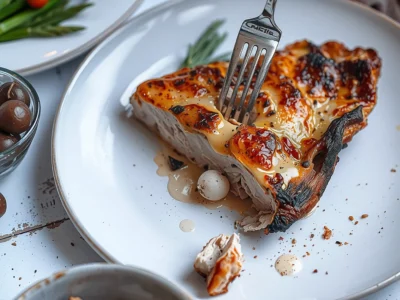
The finished chicken emerges from the pan glistening and dark around the edges, with a concentrated savory flavor that tastes like it took far longer than it actually did. Slicing into the breast reveals meat that is still moist inside, which is exactly what you want after all that care at the stove.
Creamy Mashed Potatoes: The Foundation of the Plate
Fluffy, white mashed potatoes sit underneath the chicken, providing a soft contrast to the sticky glaze and the seared exterior of the meat. The key to mash that feels light rather than gluey is starting with starchy potatoes, such as russets, and treating them gently once they are cooked. Draining the potatoes well and letting them steam dry for a minute or two in the warm pot removes excess moisture that can make the final result watery.
Simple Additions for a Velvety Texture
Warm butter and warm cream or milk fold into the potatoes much more easily than cold dairy, so warming them together while the potatoes drain is a small move that pays off. Adding the fat gradually and mashing by hand rather than using an electric mixer prevents overworking the starch, which is what leads to a dense, pasty mash. A pinch of salt early in the process, with a final adjustment at the end, ensures the potatoes are seasoned all the way through.
Spooning the finished mash onto the plate first creates a bed that catches everything the chicken and pan sauce release. The contrast between the creamy potatoes and the sticky, savory chicken is a big part of what makes each bite satisfying.
The Pan Sauce: Turning Fond into Liquid Gold
After the glazed chicken leaves the pan, a layer of browned bits remains stuck to the bottom. Those concentrated morsels, called fond, are packed with savory depth. Deglazing the hot pan with a splash of stock or a small amount of wine lifts the fond off the surface, dissolving it into the liquid. From there, the sauce simmers gently until it concentrates further, taking on a rich, dark color.
Finishing the pan sauce with a pat of cold butter off the heat adds a glossy sheen and rounds out the flavors. A final scattering of fresh herbs stirred in at the end keeps the brightness of the dish alive. The finished sauce is dark brown, slightly thickened, and deeply savory. Drizzled over the chicken and the mashed potatoes, it brings everything on the plate together.
Putting the Plate Together
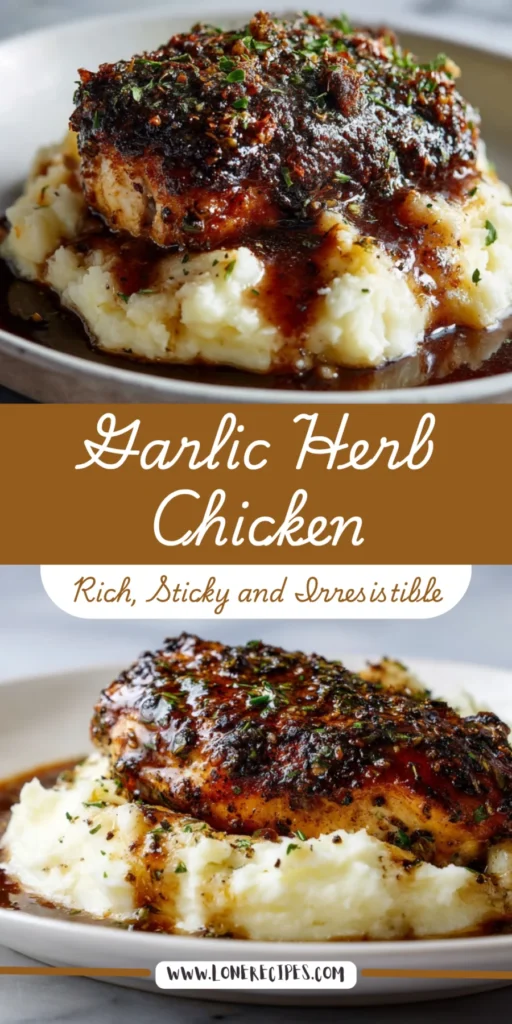
Presentation does not need to be complicated to look beautiful. A generous spoonful of mashed potatoes spread or mounded in the center of the plate anchors the dish. The glazed chicken breast sits on top or just to the side, showing off its shiny surface. The pan sauce is spooned over the chicken and allowed to run down onto the potatoes, creating a natural frame around the edges. A final sprinkle of chopped fresh parsley adds color and a bit of freshness that cuts through the richness.
This arrangement is not just for looks. Every component ends up in the same bite without needing to chase anything around the plate. The sauce connects the chicken to the potatoes, and the herbs brighten the whole thing.
Practical Tips for Glazed Garlic Herb Chicken Breast Over Creamy Mashed Potatoes
A few small habits in the kitchen make this dish more manageable, especially on a busy evening. Preparing the ingredients before the pan gets hot prevents scrambling, because the garlic and herbs go in quickly once the searing is done. Keeping the chicken warm on a plate loosely covered with foil while the sauce finishes ensures that nothing cools off before serving.
- Take the chicken out of the refrigerator about twenty minutes before cooking so it sears evenly without the center staying cold.
- Pat the chicken dry with paper towels before seasoning so the surface browns rather than steams.
- Use a heavy-bottomed pan, such as stainless steel or cast iron, which holds heat well and develops fond more effectively than nonstick.
- Warm the butter and cream for the mashed potatoes together so they incorporate smoothly without cooling the potatoes down.
- Taste the pan sauce before serving and adjust the salt, remembering that the potatoes underneath will balance the seasoning.
Common Questions About This Dish
Can I use chicken thighs instead of breasts?
Yes, boneless skinless chicken thighs work well and tend to stay even more moist. The searing and glazing process remains the same, though thighs may take slightly longer to cook through than breasts of similar thickness.
What herbs work best in the glaze?
Fresh parsley is a classic choice and what is visible on the dish, but thyme, rosemary, or chives can be used depending on what you have available. Dried herbs can substitute in a pinch, though the fresh herbs add brightness that dried ones cannot fully replicate.
How do I keep the mashed potatoes warm while finishing the sauce?
Place the bowl of finished mashed potatoes over a pot of barely simmering water, covered, or keep them in a warm oven in a covered dish. Stirring the potatoes briefly before serving redistributes any butter that may have settled.
What can I use if I do not have wine for deglazing?
Chicken stock works perfectly as a substitute for deglazing the pan. A small splash of water can also lift the fond, though stock contributes additional flavor that plain water does not provide.
Serving and Sides
This dish stands just fine on its own because the mashed potatoes are already on the plate and the chicken carries plenty of flavor. A simple green vegetable on the side, such as steamed green beans or roasted asparagus, adds freshness and color. If you want to stretch the meal for more people, a crusty loaf of bread on the table gives everyone something to mop up any sauce left behind.
The recipe also makes excellent leftovers. Store the chicken, potatoes, and sauce together in a sealed container, and the flavors continue to meld overnight. Reheating gently on the stovetop or in a covered dish in the oven prevents the chicken from drying out.
Making an Ordinary Evening Feel Special
There is something quietly rewarding about a plate of food that looks as good as it tastes. Glazed garlic herb chicken breast over creamy mashed potatoes with pan sauce delivers deep, savory comfort without requiring advanced skills or all-day cooking. The sticky, golden coating on the chicken, the fluffy potatoes underneath, and the silky dark sauce drizzled across the top transform simple ingredients into a dinner worth sitting down for. When the table is set and the plates come out looking like they belong in a cozy neighborhood restaurant, a regular weeknight suddenly feels like something worth savoring.
Food safety: cook the chicken until the thickest part reaches 165°F (74°C) on a food thermometer. Cooking from frozen takes about 50% longer.