The pursuit of a flatter tummy often involves a multifaceted approach, encompassing diet, exercise, and hydration. While exercise and dietary changes are undeniably important, the role of water in achieving a more toned physique shouldn’t be overlooked. Water is fundamental to overall health and plays a significant role in bodily functions that can indirectly contribute to a flatter-looking abdomen. This article explores various ways to increase your water intake, the benefits it provides, and practical tips to make hydration a seamless part of your daily life.
The Link Between Hydration and a Flat Tummy
Water is essential for countless bodily processes. It aids digestion, helps regulate metabolism, and transports nutrients throughout the body. Adequate hydration can reduce water retention, which can contribute to a flatter appearance. When your body is properly hydrated, it’s more efficient at flushing out toxins and reducing bloating, leading to a less puffy abdomen.
Creative Ways to Boost Your Daily Water Intake
Making water consumption more enjoyable is key to forming a sustainable habit. Here are some ideas to incorporate more water into your day without feeling overwhelmed.
Infused Water Delights
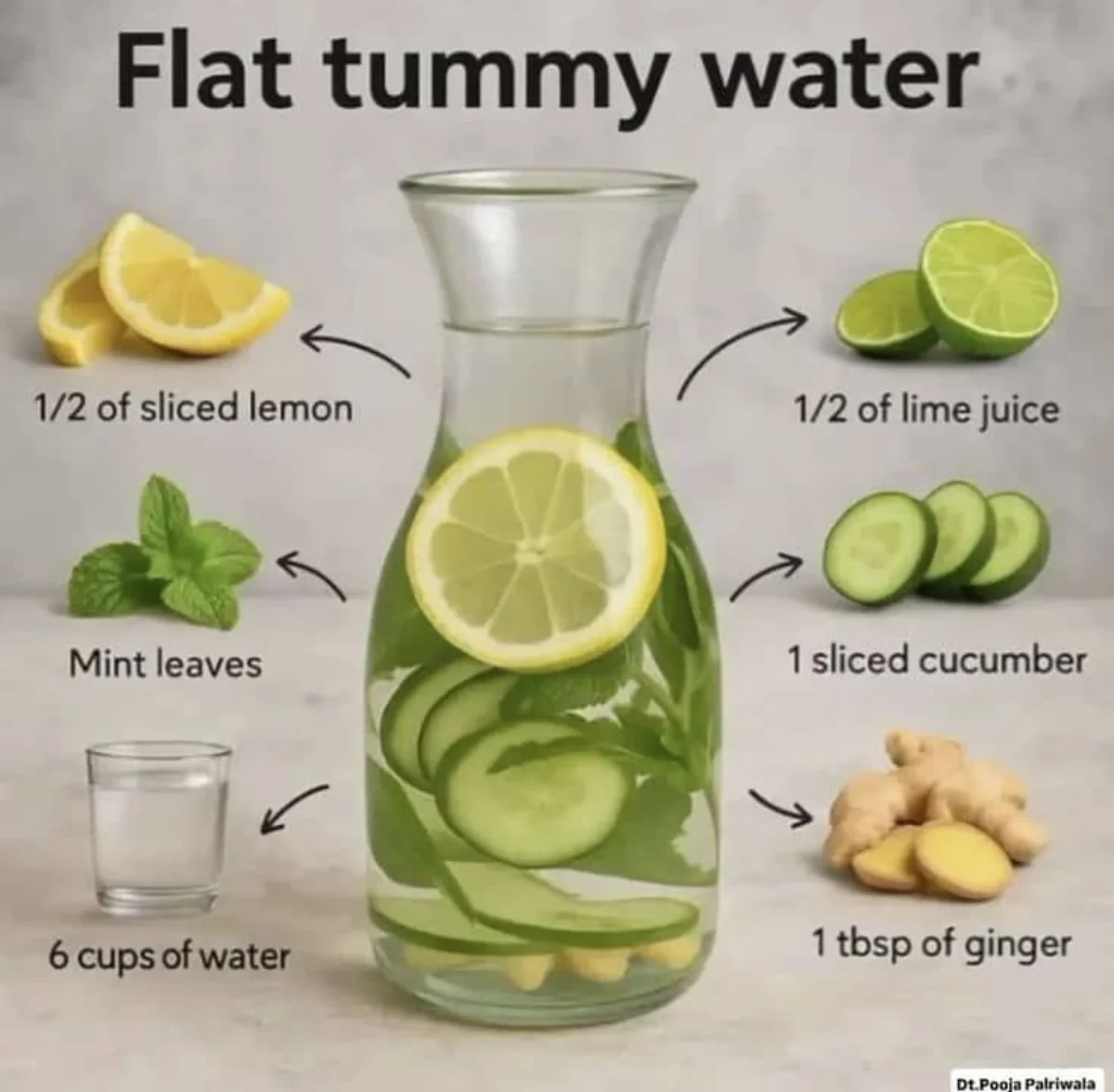
Plain water can become monotonous. Infuse it with fruits, vegetables, and herbs to add flavor and make it more appealing. Cucumber, lemon, berries, mint, and even ginger make wonderful additions. Experiment with different combinations to discover your favorite flavor profiles. Infusion not only enhances the taste but also provides small boosts of vitamins and antioxidants.
The Power of Water-Rich Foods
You can get a significant portion of your daily fluid intake from water-rich foods. Watermelon, cucumbers, lettuce, celery, strawberries, and zucchini are all excellent choices. These foods contribute to both hydration and provide essential nutrients. Incorporating more of these into your meals and snacks can be a simple way to boost your fluid intake without consciously drinking more water.
Set Hydration Reminders
It’s easy to forget to drink water throughout the day, especially when busy. Utilize smartphone reminders, apps designed to track water intake, or even sticky notes to prompt you to drink at regular intervals. Start with reminders every hour and gradually adjust the frequency as needed. Consistency is key to establishing a healthy hydration habit.
Make Water Accessible
Having water readily available makes it easier to stay hydrated. Keep a reusable water bottle with you throughout the day – at home, work, and while exercising. Having water consistently within reach removes barriers to drinking and encourages regular hydration. Choose a bottle you enjoy using, as this can further enhance the habit.
Water with Every Meal
Make it a routine to drink a glass of water before, during, and after each meal. This not only aids digestion but also helps you feel fuller, which can indirectly contribute to better food choices. It’s a simple practice that can have a significant impact on your overall health and weight management.
How Much Water Do You Really Need?
While the commonly cited “eight glasses a day” is a good starting point, individual hydration needs vary. Factors such as activity level, climate, and overall health influence how much water you need. Athletes, individuals living in hot climates, and those with certain medical conditions often require more fluids. Listen to your body’s signals – thirst is a good indicator, but don’t wait until you’re thirsty to drink.
Practical Tips to Optimize Hydration
Here are additional tips to enhance the benefits of water and make it an integral part of your wellness routine.
- Monitor Urine Color: Aim for pale yellow urine as an indication of proper hydration. Darker urine suggests dehydration.
- Hydrate Before, During, and After Exercise: Replenish fluids lost through sweat to support performance and recovery.
- Consider Electrolytes: For intense workouts or prolonged sweating, electrolytes can help replenish minerals lost through perspiration, improving hydration and performance.
- Don’t Rely Solely on Water: Herbal teas, diluted fruit juices, and smoothies can contribute to your daily fluid intake, but water should be the primary source.
- Listen To Your Body: Pay attention to how you feel and adjust your water intake accordingly.
Frequently Asked Questions
What are the signs of dehydration?
Common signs of dehydration include thirst, dry mouth, dark urine, infrequent urination, dizziness, and fatigue. Recognizing these symptoms early can help you take steps to rehydrate before symptoms worsen.
Is drinking too much water harmful?
While rare, drinking excessive amounts of water (hyponatremia) can be dangerous. It can lead to a disruption of electrolyte balance in the body, which can be severe. It’s important to listen to your body and drink water in moderation.
Does water help with bloating?
Yes, water helps reduce bloating by flushing out excess sodium and fluids from the body. It also aids in digestion, which can reduce gas and bloating. Proper hydration promotes healthy bowel function and helps eliminate waste.
What’s the best time of day to drink water?
There’s no specific “best” time, but it’s helpful to spread your water intake throughout the day rather than consuming large amounts at once. Drinking water first thing in the morning and before meals is particularly beneficial.
Incorporating adequate water intake is a simple yet powerful strategy for improving overall health and well-being. By following these tips and making hydration a priority, you can contribute to a flatter tummy and feel your best.