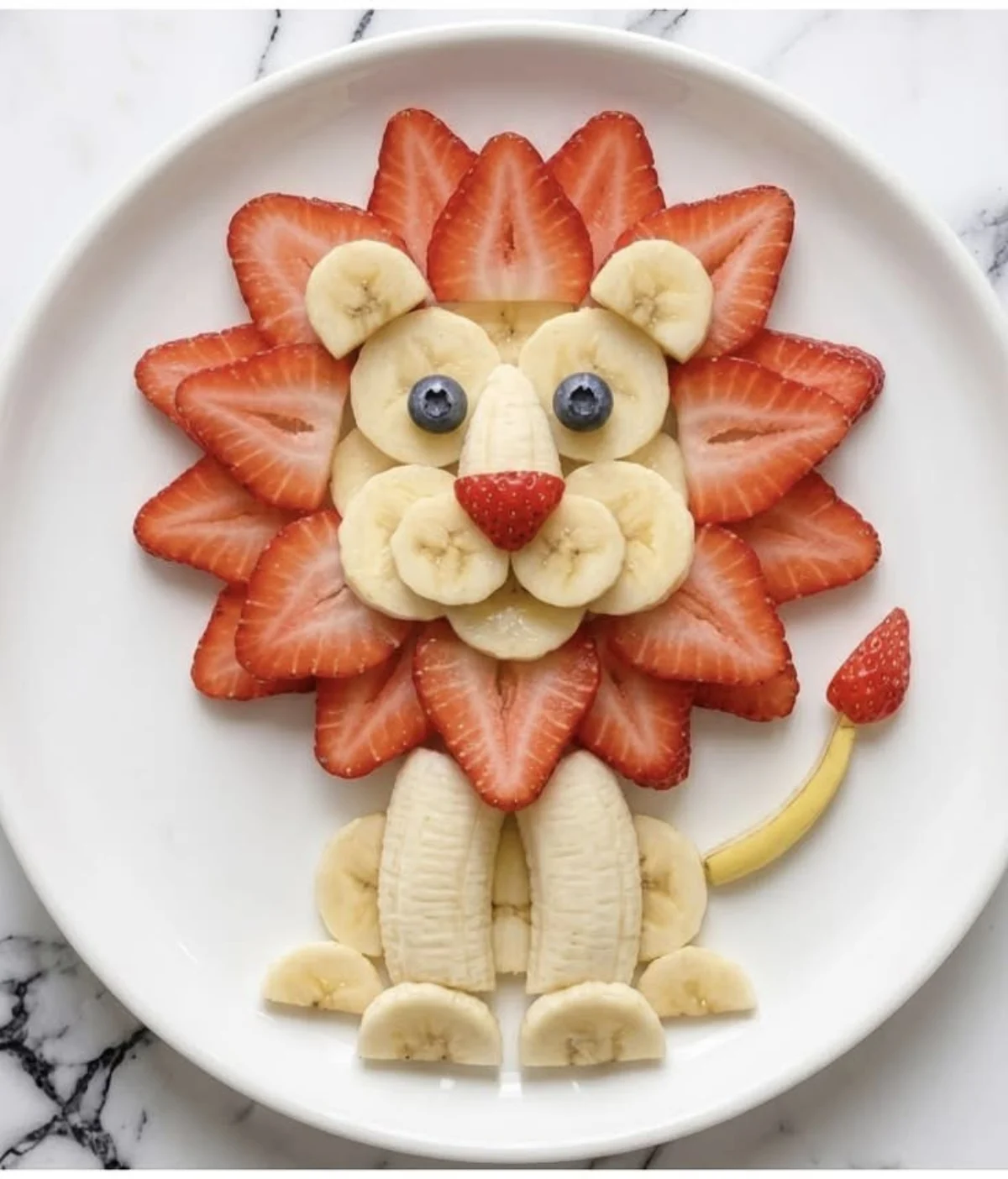
Getting children excited about fresh fruit can sometimes feel like a negotiation, but presentation changes everything. A lion fruit salad kids healthy fun food centerpiece brings a little whimsy to the table, turning ordinary produce into something that sparks curiosity before the first bite. The idea is brilliantly simple: arrange colorful, nutrient-rich fruits in the shape of a friendly lion face, complete with a golden mane, cheerful blueberry features, and a happy strawberry grin. It works equally well as a weekend snack, a party platter, or a packed lunch surprise, and the kids can easily join in to help build their own edible masterpiece.
Why a Playful Fruit Plate Matters
We eat with our eyes first, and children are no exception. When food looks inviting, they are far more likely to dig in, even if they typically push unfamiliar fruits aside. This lion design taps into a natural love for animals and storytelling, making the plate feel less like a chore and more like an activity.
A project like this also creates positive associations with healthy ingredients. Rather than bargaining over sweets, you are offering something sweet by nature—ripe mangoes, juicy berries, and crisp banana slices—all arranged in a way that feels celebratory. It shifts the dynamic from “you should eat this” to “look what we made together.” Beyond nutrition, it can be a gentle way to discuss where food comes from, the bright colors found in nature, and how different shapes can be assembled into something new.
Choosing the Right Ingredients
The lion fruit salad kids healthy fun food concept relies on a smart selection of produce that is both visually striking and easy to handle. Since this is a food guide designed for inspiration rather than a rigid tested recipe, you have plenty of room to adapt based on what is ripe, seasonal, and available at your local market.
Building the Mane and Face
The mane is the most distinctive element. Thin slices or wedges of mango work beautifully, offering a golden-orange hue that naturally suggests a lion’s shaggy fur. Look for ripe but firm mangoes that slice cleanly without turning mushy. If mangoes are out of season, canned peach halves in juice (well drained) or even thin orange segments can create a similar sunny effect. The base of the face is typically a round slice of fresh pineapple, a whole-grain pancake, or a small round plate of plain yogurt, depending on whether you want a pure fruit experience or a slightly more substantial snack. A round slice of apple or pear also provides a neutral canvas.
Adding Expressive Details
For the eyes, fresh blueberries are a natural choice. They are dark, round, and easy to place. A small banana slice with a single blueberry or raisin on top creates a wider, more expressive eye. The nose can be a single large blueberry, a dark grape, or even a small piece of prune. A sliced strawberry forms the mouth, easily shaped into a smiling curve. For whiskers, thin strips of apple skin, slivers of dried mango, or even a few chow mein noodle strands can be placed on either side, though many simple versions skip this detail and keep the focus on the core features. Small triangle pieces of cantaloupe or cheese make charming optional ears peeking out from the top of the mane.
Setting Up Your Workspace
Before you start building, gather everything you need so the process feels smooth and enjoyable. A large, round, flat plate in white or a solid color makes the colors pop. Have a small paring knife, a cutting board, and a clean kitchen towel handy. If children are helping, give them age-appropriate tasks like washing the fruit, placing the blueberries, or laying out the mango slices in a circle. Keep any sharp tools out of reach when not in direct adult supervision.
Wash all produce thoroughly and pat it completely dry with a clean cloth. Excess moisture will make the fruit slippery and cause the arrangement to slide apart. If you are using apple or pear slices for the face base, a light brush of lemon juice prevents browning and keeps the plate looking fresh longer.
Arranging the Lion Step by Step
This is a flexible, forgiving project. There is no single correct way to build it, but a clear order of assembly helps the lion take shape quickly.
- Start with the base. Place a generous round pineapple slice, a small whole-grain pancake, or a circle of apple in the center of the plate. This forms the lion’s face.
- Build the mane. Arrange mango slices, peach wedges, or orange segments around the perimeter of the central circle, overlapping them slightly so they radiate outward like a sunburst. Aim for at least two rows of alternating slices to create a full, fluffy mane effect.
- Place the eyes. Set two blueberries or banana-and-blueberry stacks in the upper third of the face, spaced evenly apart. Press them down gently so they stay in place.
- Add the nose. Position a single larger blueberry, grape, or small round piece of dark fruit just below the eyes, centered between them.
- Shape the mouth. Just below the nose, lay down a sliced strawberry cut lengthwise so it curves into a smile. You can use a whole thin slice or two smaller pieces meeting in the middle.
- Finish with ears and whiskers if desired. Tuck two small triangles of melon or cheese behind the top edges of the face base, just under the outer mane. Add a few slender strips of apple peel on either side of the nose for whiskers.
Serving Suggestions That Delight
A lion fruit salad makes a wonderful shared snack, but it also works as a build-your-own activity. Lay out a platter with the face base already in place and surround it with small bowls of prepared fruit pieces. Let each child arrange their own version on a smaller plate. This approach turns snack time into a calm, creative moment and gives picky eaters a sense of control over what ends up on their plate.
For a birthday party, this idea scales beautifully. Create a large communal lion face in the center of the table and let everyone admire it before serving. Alternatively, prepare individual lion faces in shallow bowls or on colorful dividable trays, with a small dollop of plain yogurt or nut butter on the side for dipping. The lion theme also ties in wonderfully with storybooks about animals, making it a sweet extension of a read-aloud session or a classroom celebration.
Storage and Practical Safety Notes
Fresh fruit arrangements are best enjoyed immediately. Once assembled, the fruit begins to release moisture, and the vibrant colors can soften over time, especially if the plate sits at room temperature for more than an hour. If you need to prepare elements in advance, slice the sturdier fruits like mango and melon ahead of time and store them in separate airtight containers in the refrigerator. Assemble the final lion face shortly before it hits the table.
Any leftovers should be refrigerated promptly and eaten within one day. Keep in mind that cut banana and apple will brown, though they remain safe to eat. For the youngest children, always cut fruit into age-appropriate sizes to prevent choking hazards. Whole blueberries, grapes, and large chunks of firm fruit should be sliced or quartered for toddlers and children under four, following current pediatric safety guidelines. Supervision during meals and snacks is essential.
Making It Your Own With Variations
Once you have made the classic version, there is plenty of room to improvise. Try a tropical twist with papaya, kiwi, and dragon fruit. For a cooler weather take, use thin apple wedges for the mane and dried cranberries for the features. A yogurt-covered plate base can hold granola “fur” and fruit details for a more filling breakfast option. You can even build a whole family of animals using similar techniques—a monkey with banana rounds and raisin features, or an owl with overlapping kiwi slices and almond eyes.
If you are preparing a plate for a gathering where dietary preferences vary, a purely fruit-based design is naturally free of common allergens, gluten, and dairy. Just be mindful about potential cross-contamination if using cutting boards or serving platters that have held allergens.
Frequently Asked Questions
Can I make a lion fruit salad ahead of time for a party?
You can prep individual components ahead of time, but full assembly should happen as close to serving as possible. Slice sturdy fruits like mango, melon, and pineapple and refrigerate them in separate containers. Soft fruits like banana and apple brown quickly, so cut those right before building. Assemble the lion face on the serving plate no more than thirty minutes before guests arrive for the freshest look.
What if my child does not like one of the suggested fruits?
That is the beauty of this flexible concept. Swap any ingredient for something your child already enjoys. The mane can be built from peach slices, nectarine wedges, or even thin apple crescents. If blueberries are not a favorite, small pieces of raisin, dried apricot, or dark grape halves can stand in for the eyes and nose. The goal is to make the plate feel welcoming, so never force an ingredient that causes genuine dislike or anxiety.
How does this activity support learning for young children?
Building a lion face from fruit involves naming colors, identifying shapes, and following a sequence of steps, all of which support early cognitive development. Placing small round blueberries and arranging slices helps refine fine motor skills and hand-eye coordination. Talking about the lion while you work builds vocabulary and storytelling ability, and the shared experience can strengthen the emotional connection to mealtime routines.
Is this suitable for a classroom or group setting?
Absolutely, with a few adjustments. Individual kits work wonderfully: provide each child with a small round base, a cup of pre-sliced fruit, and a clean surface. Teachers or parent helpers can walk around offering guidance. Be conscious of any food allergy policies in the school or group, and avoid common allergens like nuts or dairy unless you have confirmed they are safe. Always verify the school’s rules about fresh food preparation on site before planning the activity.
Bringing a lion fruit salad kids healthy fun food creation into your kitchen is really about sharing a cheerful moment. It does not need to be perfect or Instagram-ready every time. A slightly crooked blueberry eye or a mane that leans more to one side only adds character. What matters is that fresh, vibrant food becomes something to smile about. The next time you are looking for a small way to brighten up an ordinary afternoon, pull out a round plate, slice a ripe mango, and invite the kids to roar their approval.