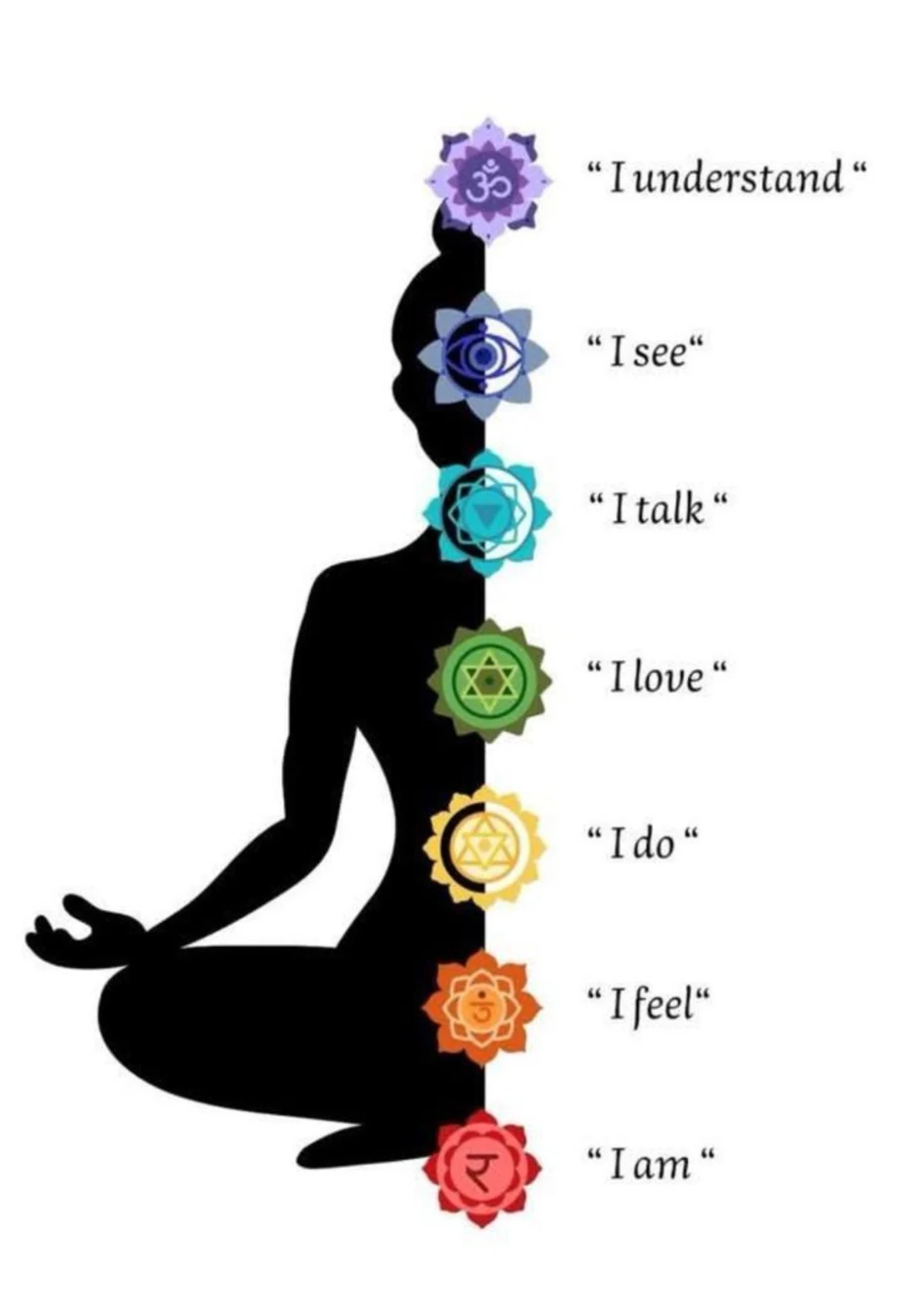
We often move through life sensing that something is slightly out of tune, yet we struggle to name exactly what feels off. The ancient yogic map of the chakra system stages offers a beautiful lens for understanding these layers of experience. By looking at the flow from seeing and talking to love, doing, feeling, and simply being, you get a practical spiritual psychology that touches every part of your day. It is not about perfection in any single stage. It is about noticing where your energy settles, where it gets stuck, and how to gently bring it back into motion.
Why the Chakra Stages Matter in Daily Life
We tend to treat the body, thoughts, and emotions as separate territories, but the chakra system stages recognize them as a continuous landscape of energy. When one stage dominates for too long, the whole system sends signals. You might notice a tight throat when you stop speaking your truth, a heavy chest when love stays locked, or a spinning mind that refuses to settle into stillness. Paying attention to the stages from seeing to being is not solely a meditation practice. It is a way of reading your inner weather and adjusting how you rest, work, speak, and connect.
This matters because so much of modern stress comes from skipping the quiet stages. Many of us live almost entirely in doing and talking, rarely touching the grounded presence of feeling and being. Restoring balance across the stages tends to soften anxiety, deepen relationships, and bring a steadiness that chasing external achievement simply cannot deliver on its own.
The Inner Landscape of the Chakra Stages
The journey does not begin in the head. It starts with the root of seeing clearly, moves through the voice, settles into the heart, and eventually opens into deep intuition and pure presence. Each stage has its own texture, and none is less important than the others.
Seeing: The Gateway of Understanding
Seeing in the chakra system stages is not just about eyesight. It is the clarity that comes when you step back and truly grasp a situation, a relationship, or a quiet truth about yourself. This stage lives in the space between the brows, often called the third eye, and it thrives on stillness. When seeing is clear, decisions feel less tangled and you notice patterns without harsh self-judgment. When it is cloudy, you might feel confused, disconnected from your own intuition, or over-reliant on everyone else’s opinions.
Nurturing this stage can be as simple as sitting quietly with morning light, journaling without editing, or giving yourself permission to not have all the answers immediately. The goal is not to force insight but to clear the inner clutter so insight has room to land.
Talking: The Bridge Between Worlds
Talking carries energy from the throat into the open air, shaping how your inner truth meets the outer world. This stage is where thoughts become sound, where boundaries are spoken, and where creative ideas get shared with another human being. A balanced talking stage feels like honesty without aggression and listening without losing your own voice. You apologize only when it is appropriate, you ask for what you need, and you use silence as comfortably as words.
When this stage tightens, the throat area often holds tension. You might swallow your feelings, avoid difficult conversations, or notice that your words have a sharper edge than you intended. Gentle humming, singing when no one is listening, or simply placing a warm hand over the throat while breathing deeply can begin to melt that tension. The voice does not need to be loud to be powerful.
Love: The Center That Holds Everything Together
Love as a chakra stage is wider than romance. It is the felt sense of connection, compassion, forgiveness, and the quiet ache of genuine care. Sitting in the heart center, this stage softens the sharp edges of seeing and talking. You can be completely right about something, but without love’s warmth, that rightness can become a wall. Love allows you to hold your boundaries while still recognizing the humanity in the person across from you.
A tender sign of imbalance here is pervasive loneliness even when surrounded by people or giving too much without ever refilling your own cup. Practices that gently open the chest, like lying with a rolled towel beneath the shoulder blades or simply resting your hand over your sternum during a few deep breaths, can feel surprisingly restorative. This stage teaches that loving well includes loving yourself with the same sincerity.
Doing: The Fire of Purpose
The doing stage is your inner sun, the fire in the solar plexus that fuels motivation, discipline, and the courage to act. When this stage hums along in a healthy way, you feel competent without being controlling. You handle setbacks without turning them into stories about your worth. Doing is not about relentless productivity. It is about aligned action that flows from clarity rather than from panic.
When the doing stage overheats, you might find yourself pushing constantly, unable to rest without guilt, or feeling threatened by circumstances you cannot control. The antidote is often right behind you on the mat or the floor. Gentle core work, focused breathing into the belly, and saying no to unnecessary tasks help cool the fire into a steady, sustainable warmth that gets things done without burning you out.
Feeling: The Deep Waters of Intuition
Feeling dips below the conscious mind into the realm of emotion, creativity, and deep bodily knowing. Associated with the sacral area, this stage is the reason a piece of music can give you chills or a strange gut sense can steer you away from a decision that looked flawless on paper. Honoring the feeling stage means allowing pleasure, acknowledging sadness without drowning in it, and trusting the wisdom that does not always arrive in logical sentences.
Neglecting this stage often shows up as creative blocks, emotional numbness, or a sense of detachment from your own life. Spending time near water, moving your hips freely to music, or simply letting yourself cry when grief knocks on the door can clear stagnation. Feeling is not weakness. It is a navigational system that has been quietly guiding humans long before spreadsheets existed.
Being: The Ground of Presence
Being is the root, the foundation that makes every other stage possible. This is the chakra stage of pure presence, safety, and the profound okayness of existing without rushing to become something else. You taste it when you sit outside without an agenda, when your breathing deepens on its own, or when you are fully inside a hug that does not need to end quickly. Being is not passive emptiness. It is the alive stillness from which all genuine seeing, loving, and doing arises.
Restoring being often requires the simplest and hardest practice: staying still long enough to feel the ground beneath you. Walking barefoot on grass, placing a heavy blanket over your legs while resting, or simply noticing the weight of your body in a chair can call the wandering mind home. When being is stable, even intense emotions do not threaten your core sense of security.
Gently Balancing the Chakra Stages Throughout Your Week
You do not need a dramatic life overhaul to tend these stages. Often, the most profound shifts come from small, consistent choices that touch several layers at once. A morning walk alone nourishes seeing and being. A phone call with a trusted friend where you speak honestly and listen deeply feeds talking and love. A meal prepared with care but eaten without distraction invites doing and feeling into the same quiet space.
Pay attention to which stage you habitually skip. If you rarely rest in being, five minutes of simply sitting with your eyes closed before bed can be revolutionary. If you bypass feeling by staying in productivity mode, setting an alarm to pause midday and name the emotions moving through your body can prevent them from piling up and spilling out later. The body is always communicating, and these stages are simply a framework for becoming fluent in its language.
Useful Tips for Working with the Chakra Stages
- Start with the stage that feels quietest. If speaking feels impossible, do not begin with talking. Begin with being or feeling until the energy gently rises on its own.
- Use your physical posture as a signal. Shoulders curling forward can close off love and talking. A soft, upright seat with open palms can invite steadiness through the entire system.
- Pair colors and textures that soothe specific layers. Deep blue for seeing, soft green for love, warm earth tones for being. These are subtle cues that remind the nervous system to settle.
- Honor the rest that follows action. After a period of strong doing, schedule intentional feeling and being time. The body needs the full cycle to complete, not just the push.
- Speak your truth in low-stakes moments. Practicing honest, kind speech in small situations builds the muscle for harder conversations.
Common Questions About the Chakra System Stages
Do I have to work through the chakra stages in a specific order?
There is a traditional mapping that moves upward from being at the base to pure seeing at the brow, but in daily life these stages move in cycles rather than rigid lines. You might feel very open in love but depleted in doing, or strong in talking while disconnected from feeling. The most useful approach is to notice which stage currently needs your gentle attention and start there without worrying about doing the sequence perfectly.
How can I tell which chakra stage is out of balance?
The body often speaks before the mind catches on. Persistent tension in a particular area, recurring emotional patterns, and even the kinds of conflicts you attract can offer clues. If your jaw and neck always feel tight, talking may need care. If your chest feels hollow or guarded, love might be asking for warmth. Look less for dramatic symptoms and more for quiet, consistent signals that have become so familiar you almost stopped noticing them.
Is it normal for some stages to feel stronger than others?
Absolutely. Your temperament, upbringing, and current season of life all shape which stages feel natural and which feel distant. A deeply analytical person might live comfortably in seeing but find feeling unfamiliar. A natural caregiver might spend so much time in love and doing that being feels uncomfortable. The goal is not equal strength in every stage but a flexible harmony where you can access each layer when needed.
Can children benefit from understanding the chakra stages?
Children respond beautifully to simple, non-technical versions of these ideas. You can talk about a warm yellow light in the belly that helps them feel brave, or a cozy red root that helps them feel safe before sleep. The framework helps children name feelings that might otherwise overwhelm them, giving them an early language for emotional regulation and self-compassion.
Does working with the chakra stages require meditation?
Still meditation can be supportive, but it is far from the only doorway. A slow swim, a quiet stretch before bed, cooking while fully present, or simply lying on the floor and breathing can all shift energy through the stages. The real work is presence, not perfect posture. If traditional meditation feels out of reach, trust that your attention, offered sincerely to your own body and breath in any form, is already the practice.
Moving through the chakra system stages is ultimately a way of coming home to yourself with less armor and more tenderness. Some days you will live mostly in doing, and other days being will quietly call you back to the ground. Life will keep asking you to speak, to see, to love, and to feel, and you get to walk that path not as a rigid checklist but as a gentle, ongoing conversation with your own soul. The map is there when you need it, and so is the quiet wisdom waiting in your own body.