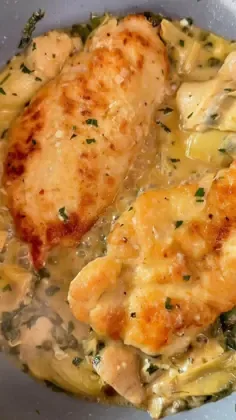
There are a handful of meals that feel like a minor miracle on a Tuesday night. Chicken piccata is always one of them. The way a few pantry ingredients turn into a glossy, buttery sauce still gets me every time. But lately I’ve been adding a quiet twist. A jar of artichoke hearts sits in my fridge almost permanently, and tossing them into the pan right before the sauce comes together has become my favorite improvement. The artichokes soak up all that lemon and caper brightness without losing their tender, almost nutty softness. It’s a small addition that makes the whole dish feel a little more complete, a little more like a proper meal with barely any extra work.
Why This Particular Pan Makes a Difference
A good nonstick surface changes the rhythm of a recipe like this. When I’m browning chicken, I want an even golden crust without the anxiety of torn skin or a sticky, sad mess at the bottom of the pan. The GreenPan Stanley Tucci Essential Stanley Pan in Tuscan Olive does exactly that. The color is rich and somehow calming, but the performance is what keeps me reaching for it. The chicken releases cleanly, and the shallow sides make it easy to tilt and swirl butter through the sauce without sloshing it over the edge. Because the surface is so reliably slick, you also need far less oil, which keeps the dish feeling light even with the buttery finish.
Building the Flavor
The foundation of any good chicken piccata with artichoke hearts starts long before the sauce hits the pan. Thin, even chicken cutlets matter more than almost any other detail. If the pieces are too thick, the outside will brown before the center is cooked. I gently pound chicken breasts between two sheets of plastic wrap until they’re a uniform thickness, about half an inch, then season them simply with salt and pepper.
Dredging is the next small step most people rush. A light coat of flour on both sides helps the chicken brown beautifully and gives the sauce something to cling to later. You don’t want a heavy breading, just a whisper of flour patted firmly onto each cutlet. The instant the chicken hits the warm pan, you should hear that gentle sizzle. A pan with good heat retention, like this one, gives you that steady even browning without hot spots that scorch one side while the other stays pale.
What Goes Into the Sauce
The sauce is where everything comes alive. After the chicken has browned and rests on a plate, the pan returns to medium heat. A small amount of butter and minced shallot or garlic goes into the bottom, cooking just until fragrant. A pour of good dry white wine lifts any browned bits off the surface, and that’s where a lot of deep savory flavor starts to concentrate. When the wine has reduced slightly, fresh lemon juice and a scattering of capers go in. I add the artichoke hearts at this stage, letting them warm through and absorb some of that bright salty liquid.
A final swirl of cold butter right before serving pulls the sauce together into something silky and slightly thickened. The liquid shouldn’t be too thin or too heavy. It should glide off a spoon and pool lightly around the chicken, just enough to coat each bite. I also slip in a handful of spinach or dark leafy greens off the heat, letting their residual warmth gently wilt them into the sauce without turning them to mush.
Why Artichoke Hearts Are the Secret Ingredient
Artichoke hearts don’t compete with the classic lemony notes of chicken piccata. They amplify them. They’re naturally tangy from their brine and have a silky texture that contrasts nicely with the lightly crisp surface of the chicken. I use quartered marinated hearts and drain them well before adding to the pan. They don’t fall apart or get mushy during the quick simmer, which makes them ideal for a fast stovetop dish like this. They also absorb the butter and wine reduction, becoming little sponges of flavor.
Nutritionally, artichoke hearts add a bit of fiber and a satisfying heartiness that turns what could feel like a sparse protein-and-sauce situation into a fuller meal. They bring enough substance that a salad or a few boiled new potatoes on the side is really all you need.
Weeknight Dinner Without the Chaos
There’s a specific magic in a meal that looks and tastes like you put in serious time but comes together in under forty minutes. This one follows a logical, calm sequence. First the prep, which is fast. Then the chicken browns in batches. Next the aromatics and liquids hit the pan. Finally, everything comes back together for a quick finish. The workflow is clean, and because you’re using a single pan, the post-dinner cleanup feels surprisingly manageable. That alone makes this a dish I return to on weeknights when I refuse to sacrifice flavor but cannot face a sink full of pots.
I also find that the aroma of lemon, garlic, and wine bubbling gently on the stove brings the family into the kitchen before I’ve even set the table. This is the type of meal that encourages leaning in the doorway, asking what’s for dinner, and lingering while you finish up. It’s simple without being plain, familiar but never boring.
Useful Tips for the Best Texture and Taste
Small adjustments make an outsized difference with chicken piccata. Over the years I’ve learned a few things that help the dish turn out consistent and perfectly balanced.
- Pat the chicken completely dry before seasoning. Moisture on the surface prevents a clean sear. A dry surface browns faster and more evenly.
- Don’t crowd the pan. Give each cutlet a bit of room so the heat surrounds it properly. Crowding creates steam and kills the browning.
- Use a dry white wine you’d actually drink. The flavor concentrates as it reduces. Anything harsh or overly sweet will come through in the final sauce.
- Add greens off the heat. Spinach or baby kale will wilt gently in the residual heat without turning limp and overcooked.
- Taste before adding salt. Capers are naturally very salty, and the artichoke brine adds salt too. Adjust seasonings right at the end.
Frequently Asked Questions
Can I use frozen or jarred artichoke hearts?
Either works beautifully. Jarred marinated artichoke hearts bring a little extra tang and softness, while frozen plain hearts tend to be firmer with a cleaner flavor. If using frozen, thaw and drain them thoroughly first so they don’t water down the sauce as they heat through.
What can I substitute for wine in the sauce?
A good quality chicken broth works as a non-alcoholic alternative. You’ll miss a bit of the acidity and depth that wine provides, so add an extra splash of lemon juice at the end and consider a small amount of white wine vinegar for brightness.
How do I keep the chicken from sticking even in a nonstick pan?
The GreenPan nonstick surface releases reliably, but temperature control still matters. Preheat the pan over medium heat with a very thin layer of oil until it shimmers. Lay the chicken in gently and don’t try to move it for at least three minutes. It will release on its own when a proper crust has formed.
Is chicken piccata with artichoke hearts gluten-free?
The only flour comes from the light dredging on the chicken. You can easily swap all-purpose flour for a gluten-free blend or almond flour. The sauce itself is naturally gluten-free as long as the wine and capers are, which they typically are.
Can I make this ahead of time?
Chicken piccata is best served right away while the sauce is glossy and the chicken retains that delicate crisp edge. If you need to prep ahead, pound and season the cutlets, drain the artichokes, and have all your ingredients measured out. The actual cooking moves fast once you begin.
Serving and Finishing Touches
I plate this dish simply, nestling the browned chicken into a shallow bowl with the artichoke hearts and wilted greens scattered around like little treasures. A final spoonful of the silky lemon-caper sauce goes over the top, catching in the crevices of each cutlet. Fresh chopped parsley adds a quick pop of green and a mild herbal note that lifts all the richness.
On the side, something to soak up the sauce feels essential. A scoop of creamy polenta, buttery egg noodles, or simply warm crusty bread all do the job wonderfully. A crisp green salad with a sharp vinaigrette cuts through the richness and balances the plate. The leftovers, if you’re lucky enough to have them, reheat gently on the stove with a tiny splash of broth to loosen the sauce. Though honestly, I rarely find myself with extras.
This version of chicken piccata has found a permanent spot in my weeknight rotation. It celebrates simple cooking with good tools and a few clever ingredients that make the ordinary feel a little more special. The artichoke hearts, the bright lemon, the salty little capers, and that one beautiful pan you love using all come together into something that tastes like you planned ahead, even when you didn’t.